What it is
Firearm safety is the set of habits, rules and equipment choices that keep people safe whenever a firearm is present. Most safety guidance boils down to a few universal rules: treat every firearm as if it is loaded, keep the muzzle pointed in a safe direction, keep your finger off the trigger until you are ready to fire, and be sure of your target and what is beyond it.
Safe storage is the practice of keeping firearms secured and inaccessible to anyone who should not have them, such as children, visitors or anyone in crisis. Common categories include lockable cases, safes and cabinets, and locking devices. The right choice depends on your household, your space and how quickly you need lawful access.
Training is how those principles become second nature. It can range from a basic introductory class for a first-time owner to ongoing practice with a qualified instructor. Range safety rules, gun safety education for children and instructor selection all fall under this broader umbrella of responsible ownership.
How it’s traditionally been approached
Firearm safety has long been passed down through families, hunting traditions, military service and community shooting clubs. Many owners first learned the basic rules from a parent or mentor at a range or in the field, and that hands-on tradition remains valued today.
Formal instruction has also been a part of the culture for generations. Hunter education courses, club-run classes, and instruction from certified teachers have introduced countless people to safe handling, storage and range conduct.
Approaches to storage and child safety vary from household to household. Some families favor a safe or lockbox, others use locking devices or separate ammunition storage, and many combine methods. Laws on storage, training and carrying differ by state and can change, so confirm requirements with a licensed attorney or official state resources.
How the right 2A business may help
The right 2A business, such as a qualified instructor, a reputable range or a firearms retailer, may help you build confidence and good habits. A beginner class is generally a calm, structured setting where you learn the safety rules first, then basic handling, and you are encouraged to ask questions at your own pace.
When evaluating an instructor or range, you might ask about their credentials and experience, what the class covers, the student-to-instructor ratio, and whether the course is suited to beginners. It may also help to ask how they handle safety concerns and what equipment you need to bring.
A good retailer or safety-focused business may also talk with you about storage options for your household and point you toward resources for kids' safety. Treat these conversations as education, not a substitute for advice from a licensed attorney about your state's laws.
The bigger picture
Safe, confident ownership can bring real peace of mind. Knowing your firearms are stored responsibly and that you have practiced the fundamentals can ease worry for you and the people you live with, and it fosters open, age-appropriate conversations with children at home.
Wellbeing also involves the financial and emotional side of the decision, from budgeting for training and storage to being honest about stress or difficult seasons in life. If you or someone you know is struggling, the 988 Lifeline is available, and for providers looking to support their own business wellbeing, Providers.plus may be a helpful resource.
Keep in mind
- Always follow the universal safety rules, and never rely on a single safeguard alone.
- Laws on storage, training and carrying vary by state and change over time, so confirm with a licensed attorney or official state resources.
- Choose instructors and ranges thoughtfully, and do not hesitate to ask about credentials and class format.
- 2A Digital is an independent directory, not a professional advisor, and listings are not endorsements or guarantees.
Guides in this topic
2A business types
Frequently asked questions
What are the basic firearm safety rules?
The basic firearm safety rules are to treat every firearm as loaded, keep the muzzle pointed in a safe direction, keep your finger off the trigger until ready to shoot, and be sure of your target and what is beyond it. These rules apply every time you handle a firearm. Many instructors teach them first because they work together as layers of protection.
What is safe gun storage?
Safe gun storage means keeping firearms secured so unauthorized people, including children, cannot access them. Common categories include safes, lockable cases and cabinets, and locking devices. The best approach depends on your household, and your state may have its own storage laws, so confirm with an attorney or official state resources.
How do I teach gun safety for kids?
Gun safety for kids starts with age-appropriate, repeated conversations and, above all, secure storage so curiosity never meets access. Many families teach simple messages such as not touching a firearm and telling an adult right away. Parents may also look for qualified instructors or youth safety programs to support these lessons.
Where should I start with beginner firearms training?
Beginner firearms training usually starts with an introductory class that covers safety rules, basic handling and range conduct before any live-fire practice. Look for a course designed for newcomers and a calm, patient teaching style. A local range, club or certified instructor may offer suitable options.
What are common range safety rules?
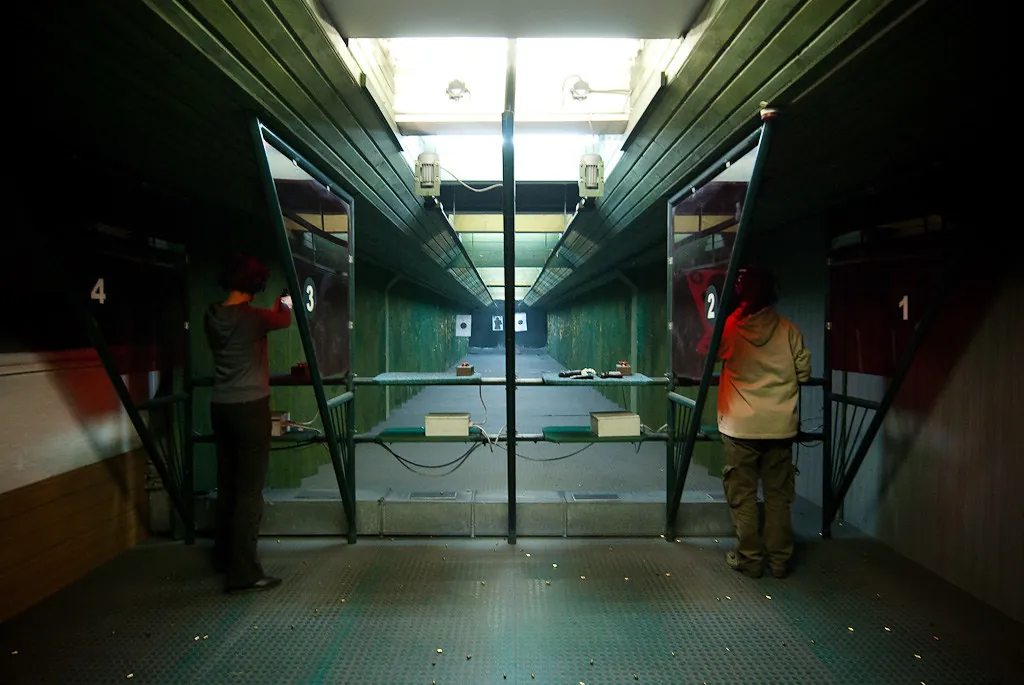
Common range safety rules include following the range officer's commands, keeping firearms pointed downrange, wearing eye and ear protection, and keeping your finger off the trigger until ready. Each range has its own procedures, so read the posted rules and ask staff if anything is unclear. Following them keeps everyone on the line safe.
How do I choose a firearms instructor?
To choose a firearms instructor, check their credentials and experience, ask what the course covers, and confirm it fits your skill level. It also helps to ask about class size and how they emphasize safety. Reading reviews and speaking with the instructor beforehand can help you feel confident in your choice.
Educational resource. 2A Digital shares general information and connects people with independent 2A businesses. It is not professional advice. Talk with a qualified professional about your own situation.