What it is
Beginner firearms training is an introductory course or lesson designed for people who are new to firearms or who want to build confidence from the ground up. It typically emphasizes safety first: how to treat every firearm with respect, how to handle one carefully, and how to store it responsibly.
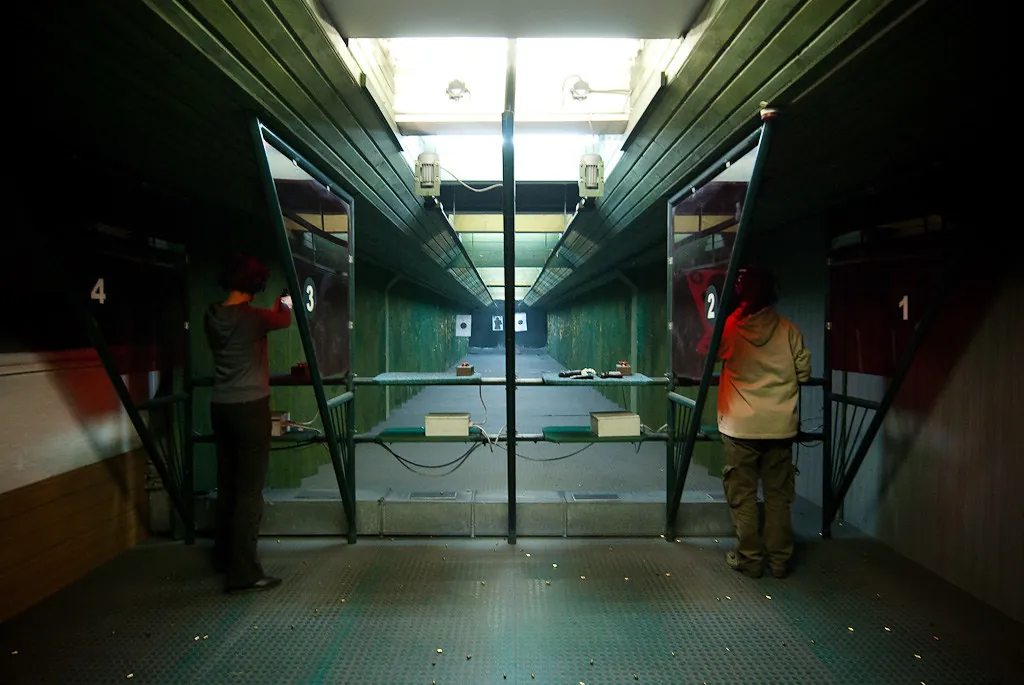
Most introductory programs also cover the basic parts of a firearm, how different types operate, what ammunition is, and the fundamentals of shooting such as stance, grip and sight use. Many include time on a range under supervision, though the exact content varies from one instructor or program to another.
Training is not only about shooting. Good beginner instruction often touches on responsible storage, safe transport, range etiquette, and an awareness that local and state laws differ. It is meant to give a new owner a solid base to grow from, at a comfortable pace.
How it’s traditionally been approached
Across generations, Americans have learned firearm safety in many ways: from family members, hunting mentors, military service, community clubs and formal classes. Passing down careful habits has long been part of the country's shooting heritage.
In more recent decades, many new owners have turned to certified or experienced instructors, local ranges, and club-run programs. Some people prefer one-on-one lessons, while others like the shared learning of a small group class.
Approaches differ by goal. A person interested in home protection, hunting, recreational target shooting or competition may look for different emphases. None of these paths is the only right one, and many people combine several over time.
How the right 2A business may help
A qualified firearms instructor may help by offering a structured, patient environment where questions are welcome and nothing is assumed. A first visit is often a conversation about your goals and experience, followed by classroom-style safety discussion before any live-fire activity.
Shooting ranges and clubs may offer a place to practice what you learn, with range officers, posted rules and a community of fellow shooters. Many people find that a supportive setting makes it easier to build confidence at their own pace.
Safes and secure storage businesses may help you think through how to keep firearms safely at home, especially around children or visitors. When speaking with any provider, you might ask about their credentials and teaching experience, what the class covers, class size, what equipment is provided, and how they approach new students. Always confirm legal requirements with a licensed attorney or official state resources.
The bigger picture
Learning to handle a firearm well can affect more than your skills. Many people report that proper preparation brings greater peace of mind, steadier confidence and a calmer, more respectful attitude toward the responsibility involved. Taking time to learn at your own speed is a sound way to care for yourself and those around you.
There are financial and household considerations too, such as budgeting for classes, range time and secure storage. For those who work in demanding service or helping professions, resources like Providers.plus may offer additional support. Whatever your path, the aim is a thoughtful, well-rounded approach to ownership.
Keep in mind
- Safety comes first: always follow the guidance of a qualified instructor and the rules of the range you visit.
- Laws on ownership, carry, transport and storage vary by state and can change, so confirm details with a licensed attorney or official state resources.
- 2A Digital is an independent directory, not a professional advisor, and listing a provider is not an endorsement or guarantee.
- Choose instruction that fits your comfort level, and feel free to ask questions or pause until you feel ready.
Not sure where to start? Answer a few gentle questions and choose who you’d like to hear from.
Read this month's issue →Frequently asked questions
What is beginner firearms training?
Beginner firearms training is an introductory course that teaches new shooters safe handling, basic firearm knowledge and fundamental shooting skills. It usually starts with safety and may include supervised range time. Content varies by instructor and program.
Do I need experience before taking beginner firearms training?
No, these courses are designed for people with little or no experience. Instructors generally expect to start from the basics. It can help to tell them upfront about your comfort level and goals.
What should I look for in a beginner firearms instructor?
Look for an instructor with relevant credentials, clear teaching experience and a patient, safety-focused style. Ask what the course covers, how large the classes are and what equipment is provided. Reading about the provider and asking questions before enrolling can help you decide.
What happens at a first firearms training class?
A first class commonly begins with safety rules and a discussion of firearm basics, often before any live fire. If there is range time, it is typically supervised. Details differ by provider, so ask what to expect when you book.
Is beginner firearms training required by law?
Requirements vary by state and can change over time. Some places require training for certain permits or purchases, while others do not. Confirm current rules with a licensed attorney or official state resources.
Why does secure storage matter for new gun owners?
Secure storage is a core part of responsible ownership because it helps keep firearms from being accessed by children or unauthorized people. Many beginner courses discuss it, and storage businesses can explain the types of options available. Choose what fits your household and local laws.
Educational resource. 2A Digital shares general information and connects people with independent 2A businesses. It is not professional advice. Talk with a qualified professional about your own situation.