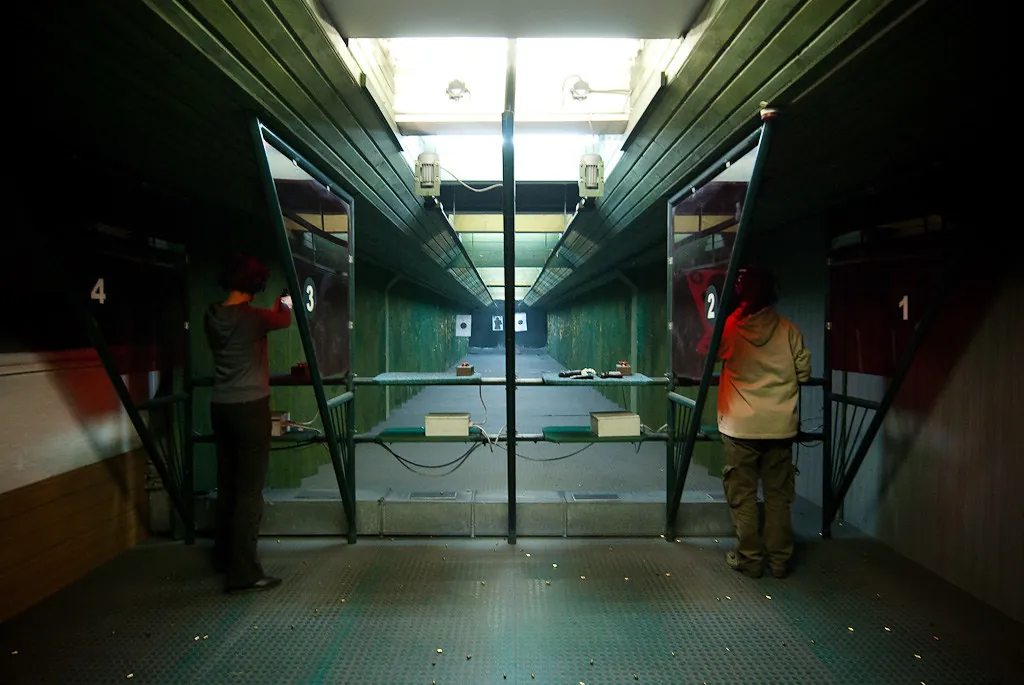
What it is
A firearms instructor is a person who teaches others about the safe handling, use, and care of firearms. Instruction can range from a first-time introduction to specialized subjects, such as hunting skills, sport shooting, or lawful carry education.
Instructors come from many backgrounds, including competitive shooting, hunting, the military, law enforcement and civilian training. Some work independently, and others teach through ranges, clubs or training companies. Each brings a different teaching style and focus.
Choosing an instructor means finding a good match for your goals, experience level and learning style. The best fit for one person may not be the best fit for another, and that is perfectly normal.
How it’s traditionally been approached
Many Americans first learned from a parent, relative, or friend, often through hunting or time on family land. That tradition of passing down safe habits remains strong and valued in many communities.
Others have turned to local gun clubs, hunter education programs, and community courses. These settings have long offered structured learning alongside a community of fellow enthusiasts.
Today, many people also look for professional instructors who teach formal classes. Some states have training requirements for certain permits or activities, and those rules vary and change, so readers should confirm current requirements with official state resources or a licensed attorney.
How the right 2A business may help
The right instructor may help you learn in an organized, patient way. A good first class often begins with a discussion of firearm safety rules, then moves to handling basics, and may include time on a range. Many instructors welcome beginners and explain concepts without pressure.
Before you enroll, consider asking questions. What are your teaching credentials or certifications, and who issued them? What is the class size, and how much individual attention can students expect? What topics will be covered, and does the course suit a beginner or someone with experience? How do you handle students who feel nervous?
It may also help to ask about the instructor's approach to safety, what equipment is provided or required, and whether the class meets any state requirements you need. Reading reviews, asking fellow shooters for recommendations, and observing a class when possible may add helpful perspective. A range, club or secure storage provider in your area may also be able to point you toward trusted local options.
The bigger picture
Learning from a good teacher can bring real peace of mind. Many people find that proper training replaces uncertainty with confidence, and that a calm, respectful learning environment helps them stay focused and relaxed. Feeling comfortable with your instructor matters as much as their résumé.
Training is also an investment of your time and money, so it is wise to choose thoughtfully and not feel rushed. Responsible ownership is a whole-person commitment that includes safe storage, ongoing practice, and a clear understanding of your responsibilities. If you are also thinking about the wider picture of your wellbeing and finances, Providers.plus offers additional resources.
Keep in mind
- Laws on training, licensing, carry and transport vary by state and change often, so confirm current rules with official state resources or a licensed attorney.
- This directory is independent and is not a professional or legal advisor, and listings are not endorsements or guarantees of any outcome.
- Safety comes first: follow the basic rules of safe firearm handling every time, and never hesitate to ask an instructor to slow down or repeat something.
- Take your time comparing instructors, and pick the one whose style, experience and communication make you feel comfortable learning.
Not sure where to start? Answer a few gentle questions and choose who you’d like to hear from.
Read this month's issue →Frequently asked questions
How do I choose a firearms instructor?
Start by defining your goals, such as general safety, hunting, sport, or personal protection education. Then compare instructors' credentials, teaching style, class size and communication. Asking questions and reading reviews may help you find a good fit.
What qualifications should a firearms instructor have?
Qualifications vary, but many instructors hold certifications from recognized training programs and have practical teaching experience. Ask what credentials they hold and who issued them. Requirements for instructors can differ by state, so check with official state resources.
What questions should I ask before taking a firearms class?
Ask about the course content, class size, equipment needs, the instructor's experience and how safety is handled. It is also reasonable to ask whether the class suits beginners and whether it meets any requirements in your state.
Is a beginner firearms class worth it?
Many new shooters find a beginner class valuable because it introduces safe handling and fundamentals in a structured setting. Whether it is right for you depends on your goals and comfort level. A good instructor will welcome questions and move at a reasonable pace.
Where can I find a firearms instructor near me?
You may find instructors through local shooting ranges, gun clubs, hunter education programs, and training businesses. Word of mouth from fellow shooters can also help. The 2A Digital directory lists independent businesses you can explore.
Do I need training to own a firearm?
Training requirements depend on where you live and what you plan to do, such as applying for a permit. Even where training is not required, many people choose it for safety and confidence. Confirm your state's rules with official resources or a licensed attorney.
Educational resource. 2A Digital shares general information and connects people with independent 2A businesses. It is not professional advice. Talk with a qualified professional about your own situation.