What it is
A shooting range is a facility built for the safe, controlled use of firearms. Indoor ranges are typically enclosed buildings with separate lanes, while outdoor ranges are open-air spaces that may offer longer distances and different kinds of practice. Each is designed around safety features such as barriers, backstops and clear lines of fire.
A sportsmen's club is usually a membership-based organization built around shooting sports, hunting, conservation and community. Many clubs maintain their own grounds and hold events, classes and social gatherings. Membership structures, rules and offerings vary widely from one club to the next.
Most ranges and clubs have staff or volunteers, often called range safety officers, who oversee activity and enforce posted rules. Many also offer a safety orientation for newcomers, and some provide rentals, classes or retail services. What is available depends on the individual business or club.
How it’s traditionally been approached
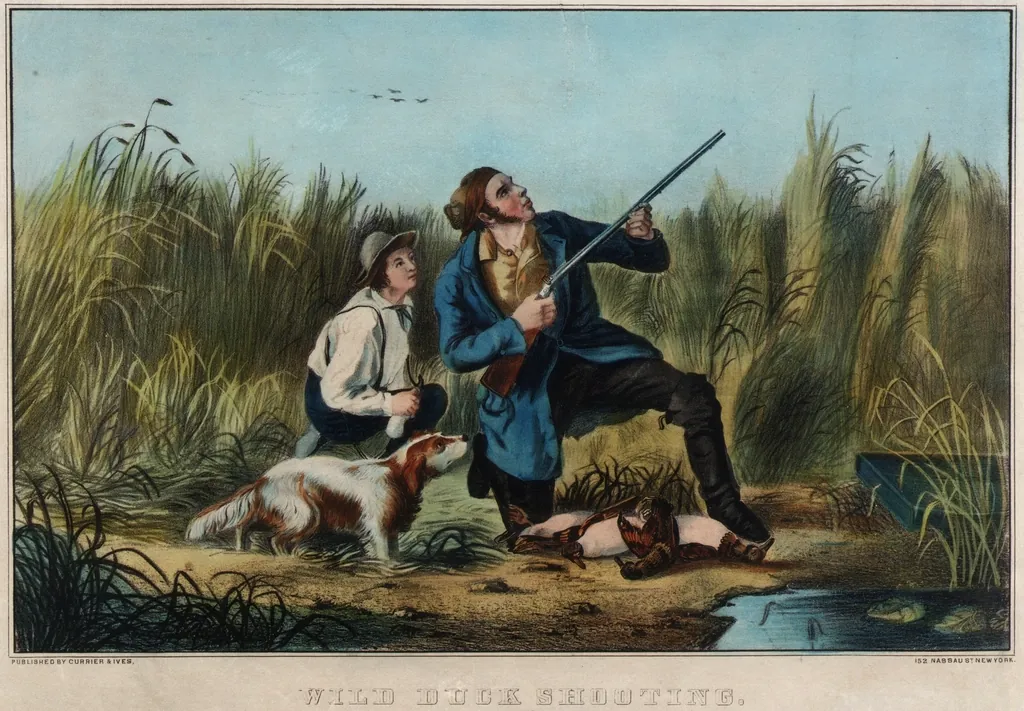
Gathering at a local range or club has long been part of American shooting culture, from rural rod-and-gun clubs to community ranges used for hunting preparation, competition and recreation. For many families, the range is where safe habits are first passed from one generation to the next.
People have traditionally used ranges to practice marksmanship, test equipment, take part in organized matches and complete training courses. Clubs have also served as places for hunter education, youth programs and conservation efforts.
Approaches differ. Some people prefer the convenience and climate control of an indoor range, others value the space of an outdoor range, and others like the camaraderie and long-term involvement of a club. None of these is the only right choice; it comes down to personal goals, budget and location.
How the right 2A business may help
The right range or club may offer a structured, supervised setting where newcomers can learn range rules and build safe habits at their own pace. A typical first visit often begins with a check-in, a signed waiver or acknowledgment of rules, and a safety briefing. Staff are generally there to answer questions, so asking is encouraged.
Before you go, you may want to ask about orientation for new visitors, what the range's rules are, whether rentals or lessons are offered, and what hours or reservations apply. It can also help to ask what eye and ear protection is required, what types of firearms and ammunition are permitted, and how staff handle questions or concerns on the line.
If you are considering a club, you might ask about membership requirements, how members are expected to participate, what events or classes are available, and how the club approaches safety and guest policies. Visiting in person, observing how people conduct themselves and noticing whether the atmosphere feels welcoming can help you decide whether it is a good fit.
The bigger picture
Practicing in a supervised setting can support confidence and peace of mind. Many people find that learning the fundamentals of safe handling in a calm, structured environment helps them feel more prepared and responsible. Focused practice can also be a satisfying way to build skill and take a break from daily stress.
There are practical considerations too, such as the cost of range fees or memberships and the time you can commit. It helps to think through your budget and schedule so the experience stays enjoyable. For those thinking about the wider picture of financial and personal readiness, Providers.plus is one resource some readers may find useful.
Keep in mind
- Safety comes first: follow all range rules and the directions of range staff at all times, and treat every firearm as if it were loaded.
- Rules, membership terms and offerings vary by range and club, so confirm details directly with the facility before you visit.
- Laws about firearms, transport and range use vary by state and locality and can change, so confirm with a licensed attorney or official state resources.
- This directory is independent and is not a professional advisor, and listing a business is not an endorsement or a guarantee of any outcome.
2A businesses
We’re welcoming founding 2A businesses for shooting ranges & clubs now. Get matched or list your practice.
Frequently asked questions
What is a shooting range?
A shooting range is a facility designed for the safe, supervised use of firearms for practice, training or sport. It can be indoors or outdoors and typically has safety features and posted rules. Staff or volunteers often oversee activity.
What is the difference between an indoor and outdoor shooting range?
Indoor ranges are enclosed buildings, usually with individual lanes and climate control, while outdoor ranges are open-air and may offer more space or longer distances. Each has its own rules, equipment and style of practice. Which suits you depends on your goals, location and preferences.
What is a sportsmen's club?
A sportsmen's club is typically a membership-based organization centered on shooting sports, hunting, conservation and community. Many maintain their own grounds and host events or classes. Membership terms and activities vary by club.
Do I need experience to visit a shooting range?
No, many ranges welcome newcomers and may offer a safety orientation before you shoot. Policies differ, so it is wise to call ahead and ask what they require of first-time visitors. Staff can usually explain the rules and what to expect.
What should I ask before joining a shooting club?
Ask about membership requirements, costs, guest policies, safety rules, and what events or classes are offered. Visiting in person can help you see whether the atmosphere fits you. Confirm all details directly with the club.
Are shooting range rules the same everywhere?
No, rules vary by range and club, and laws vary by state and locality. Always follow posted rules and staff directions, and confirm legal questions with a licensed attorney or official state resources.
Educational resource. 2A Digital shares general information and connects people with independent 2A businesses. It is not professional advice. Talk with a qualified professional about your own situation.