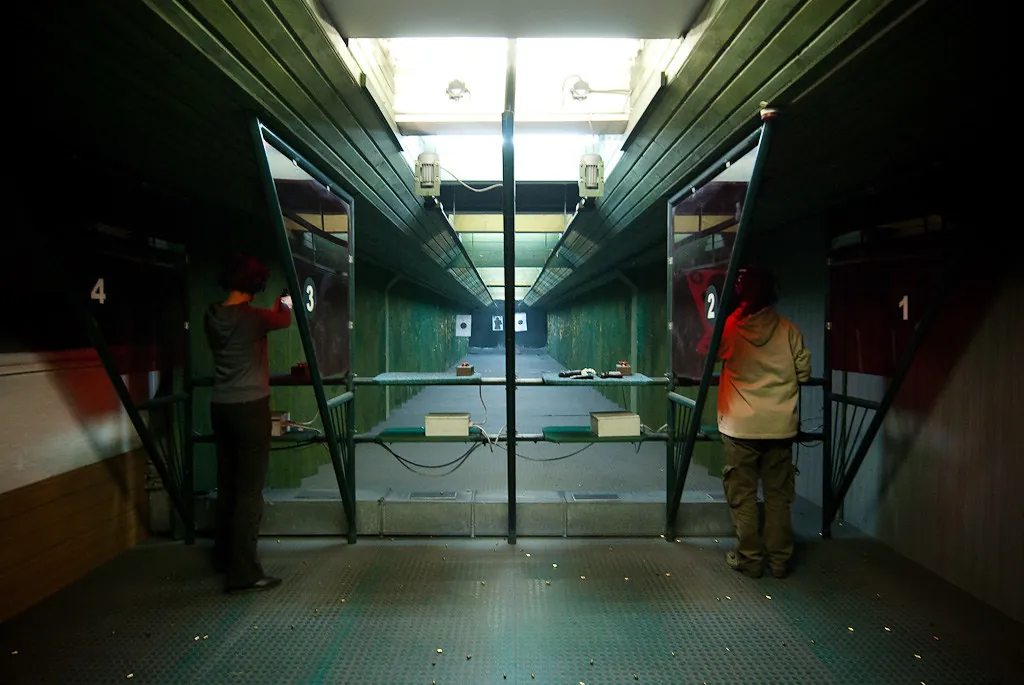
What it is
Range safety rules are the standards of conduct that apply when handling and shooting firearms at an indoor or outdoor range. They usually combine universal firearm safety principles with each facility's own written policies. Together they aim to protect shooters, staff and bystanders.
Most ranges build on a few widely taught ideas: treat every firearm as if it were loaded, keep the muzzle pointed in a safe direction, keep your finger off the trigger until you are ready to shoot, and be sure of your target and what is beyond it. You will also hear about keeping firearms unloaded and actions open when not in use, and wearing eye and ear protection.
Beyond those basics, each range sets its own rules. These can cover where you may handle a firearm, how commands like a cease-fire are given, what types of ammunition are allowed, and how to behave around other shooters. Because rules differ from place to place, reading and following the posted rules at your specific range is always part of safe shooting.
How it’s traditionally been approached
Traditionally, ranges have relied on a mix of written rules, posted signs, a safety briefing and on-site supervision. Many use a range officer or range safety officer who watches the firing line and can stop activity when something looks unsafe.
Clubs and ranges have also long used a culture of mutual accountability. Experienced shooters often feel a responsibility to speak up politely, and newcomers are generally encouraged to ask questions. Established commands, such as calling a cease-fire so people can safely go downrange, are a familiar part of that culture.
Training has been another traditional pillar. Many gun owners learn safe handling through family mentors, hunter education, military or law enforcement backgrounds, or classes with a qualified instructor. Approaches vary, and many people combine several of them over time.
How the right 2A business may help
The right firearms instructor or range may help you understand the rules before you ever load a firearm. A good introduction is often a calm, unhurried conversation about safe handling, how the range operates and what to expect on the line. Nobody should feel rushed or embarrassed for being new.
A visit to a shooting range or club generally includes checking in, signing paperwork or acknowledging the rules, hearing a safety briefing, and being shown to a lane or bay. Staff may explain the commands used, where to store your gear and how to behave when others are downrange. Policies vary, so the details at your range may differ.
It can help to ask a few questions: What are your range rules, and are they posted? Is a range safety officer on duty? Do you offer orientation or introductory instruction? What are the rules for bringing your own firearm and ammunition? Safes and secure storage providers may also help you think about safe transport and storage at home, so safety continues after you leave the range.
The bigger picture
Feeling prepared can change the whole experience of shooting. Knowing the rules and what to expect can ease nerves, build confidence and let you focus on learning rather than worrying. For many people, that steady, respectful mindset is part of the enjoyment and responsibility of exercising a constitutional freedom.
Safety is also about peace of mind for families and communities. Thoughtful habits, good training and secure storage can help households feel more at ease. If you want help finding trusted resources, Providers.plus may be a useful place to explore, and you should always go at a pace that feels comfortable to you.
Keep in mind
- Range rules vary by facility, so always read and follow the specific rules and instructions where you shoot.
- Laws about firearms, transport and range use differ by state and change over time; confirm details with a licensed attorney or official state resources.
- If you are unsure about anything, stop, point the muzzle in a safe direction and ask a range officer or qualified instructor.
- This page is educational only. 2A Digital is an independent directory, not a professional advisor, and any provider may help but nothing is guaranteed.
Not sure where to start? Answer a few gentle questions and choose who you’d like to hear from.
Read this month's issue →Frequently asked questions
What are the basic range safety rules?
The basic range safety rules commonly include treating every firearm as loaded, keeping the muzzle pointed in a safe direction, keeping your finger off the trigger until ready to shoot, and being sure of your target and what is beyond it. Eye and ear protection are also widely required. Your range may add its own rules, so read them before you shoot.
Do range safety rules differ from one range to another?
Yes, range safety rules can differ between facilities. While core safety principles are widely shared, each range sets its own policies on things like ammunition, commands, lane use and handling areas. Always review the posted rules and listen to the safety briefing.
What is a range safety officer?
A range safety officer, often called an RSO, is a staff member or trained volunteer who supervises the firing line and helps enforce the rules. They can pause shooting if something appears unsafe. Not every range staffs one in the same way, so it is fine to ask how yours works.
What does cease-fire mean at a shooting range?
A cease-fire is a command to stop shooting, make firearms safe and step back from the line, usually so people can go downrange or address a concern. Ranges typically explain their exact procedure in the safety briefing. If you are unsure what to do, ask a range officer.
Do I need training before going to a shooting range?
Requirements vary by range and by state, and some ranges offer or require an orientation for newcomers. Even where it is optional, many people find an introductory class with a qualified firearms instructor helpful. Ask your local range what they recommend and confirm any legal requirements with official state resources.
How can I find a safe range or instructor near me?
You can browse the 2A Digital directory for firearms instructors, shooting ranges and clubs in your area. Consider asking about posted rules, staffing, orientation for new shooters and instructor qualifications. A provider may be able to help, but it is wise to visit or call first to see if the environment feels right for you.
Educational resource. 2A Digital shares general information and connects people with independent 2A businesses. It is not professional advice. Talk with a qualified professional about your own situation.