What it is
Firearm safety rules are a short set of habits that responsible gun owners follow every time they handle a firearm. They are usually taught as a few easy-to-remember principles, so they can be recalled instantly, even under stress.
The most widely taught version includes: treat every firearm as if it is loaded; never point the muzzle at anything you are not willing to destroy; keep your finger off the trigger until your sights are on target and you have decided to shoot; and be sure of your target, what is around it, and what is beyond it.
Many instructors also stress safe storage, keeping firearms away from unauthorized users such as children, and never handling a firearm while impaired. The exact wording of the rules varies between instructors, but the purpose is the same: prevent accidents before they happen.
How it’s traditionally been approached
For generations, firearm safety has been passed down in families, hunting camps, military service and community clubs. Many people first learned the rules from a parent or mentor on a first trip to the field or range.
Formal instruction has also long been part of the tradition. Hunter education courses, range safety briefings and instructor-led classes have helped new owners build good habits alongside their skills.
Today, people often combine these paths: learning at home, taking a class, practicing at a range, and using secure storage suited to their household. Requirements for training, storage and transport differ by state and locality, so owners commonly check their local rules.
How the right 2A business may help
The right firearms instructor may help you turn rules you have read into habits you can rely on. A good class generally starts with safety fundamentals, offers hands-on guidance, and gives you room to ask questions at your own pace.
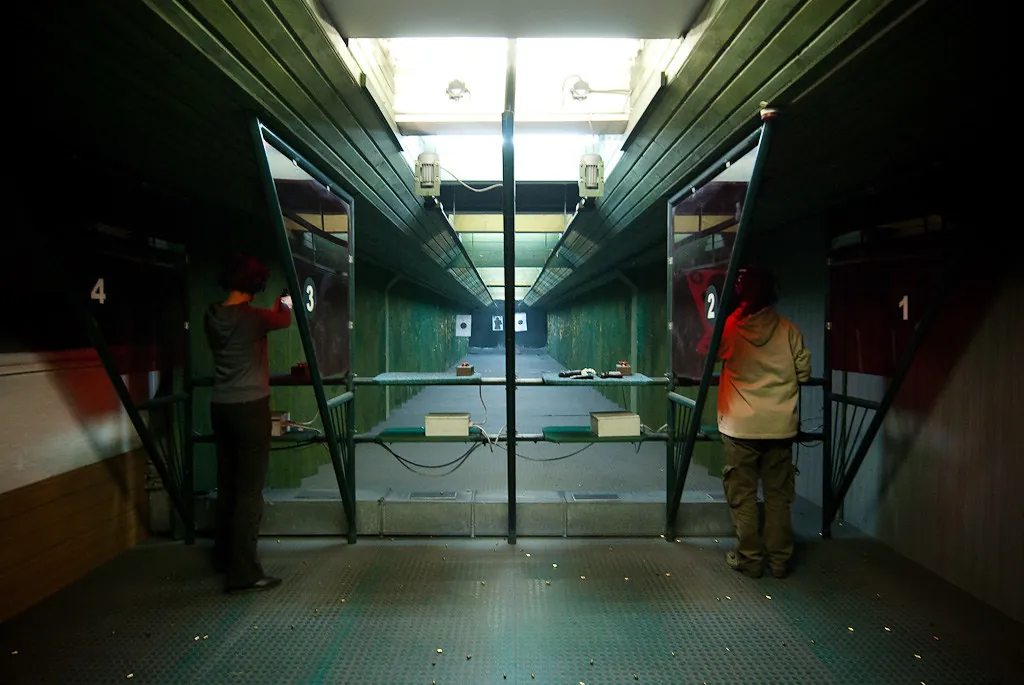
A shooting range or club may offer a structured setting with range officers, posted rules and a community of experienced members. A first visit usually includes a safety briefing and a review of range procedures. You might ask what the range rules are, whether they offer introductory sessions, and how staff handle new shooters.
A safe and secure storage provider may help you think through options that fit your home and household. You might ask about the categories of storage available, how access works in an emergency, and what features matter for your situation. Always confirm legal requirements with a licensed attorney or official state resources.
The bigger picture
Safe habits tend to bring more than protection. Many people find that confident, practiced handling brings peace of mind, reduces anxiety around firearms in the home, and lets them enjoy shooting sports with a clearer head.
Wellbeing also includes the wider picture: a calm mind, thoughtful decisions and support when life gets hard. If you or someone you know is struggling, the 988 Lifeline is available. For broader whole-person resources, Providers.plus may be a helpful place to look. No single approach fits everyone, and each household can choose what works for it.
Keep in mind
- Laws on carrying, transport, storage and training vary by state and change over time, so confirm details with a licensed attorney or official state resources.
- This page is educational and is not legal, medical or professional advice; 2A Digital is an independent directory.
- Safe handling is a lifelong practice, and even experienced owners benefit from refreshers and good habits.
- A provider may help, but results and experiences vary, so ask questions and choose what fits your needs.
Not sure where to start? Answer a few gentle questions and choose who you’d like to hear from.
Read this month's issue →Frequently asked questions
What are the basic firearm safety rules?
The basic firearm safety rules are commonly taught as treating every firearm as loaded, keeping the muzzle pointed in a safe direction, keeping your finger off the trigger until ready to shoot, and being sure of your target and what is beyond it. Instructors may word them slightly differently. Many also add safe storage and never handling firearms while impaired.
Why are firearm safety rules important?
Firearm safety rules are important because they help prevent accidents through consistent habits. When the rules become automatic, they work even when you are distracted or stressed. They also help build trust among people who share a range, a hunting trip or a home.
Where can I learn firearm safety rules?
You can learn firearm safety rules from certified firearms instructors, hunter education courses, shooting ranges and clubs, and experienced mentors. Many local businesses offer beginner-friendly classes. Check with your state's official resources for any required courses.
How should firearms be stored safely?
Safe storage generally means keeping firearms secured so unauthorized people, especially children, cannot access them. Owners often choose from several categories of locking storage, depending on their household and needs. Storage laws vary by state, so confirm requirements with official state resources or a licensed attorney.
Do firearm safety rules apply at a shooting range?
Yes, firearm safety rules apply at every range, and ranges typically add their own procedures such as range commands, designated firing lines and safe handling areas. Staff usually give new visitors a safety briefing. Always follow the posted rules and the directions of range officers.
Are there legal requirements for firearm safety training?
Training requirements depend on your state and locality, and they can change. Some places require courses for certain permits or purchases, while others do not. Confirm current requirements with official state resources or a licensed attorney.
Educational resource. 2A Digital shares general information and connects people with independent 2A businesses. It is not professional advice. Talk with a qualified professional about your own situation.