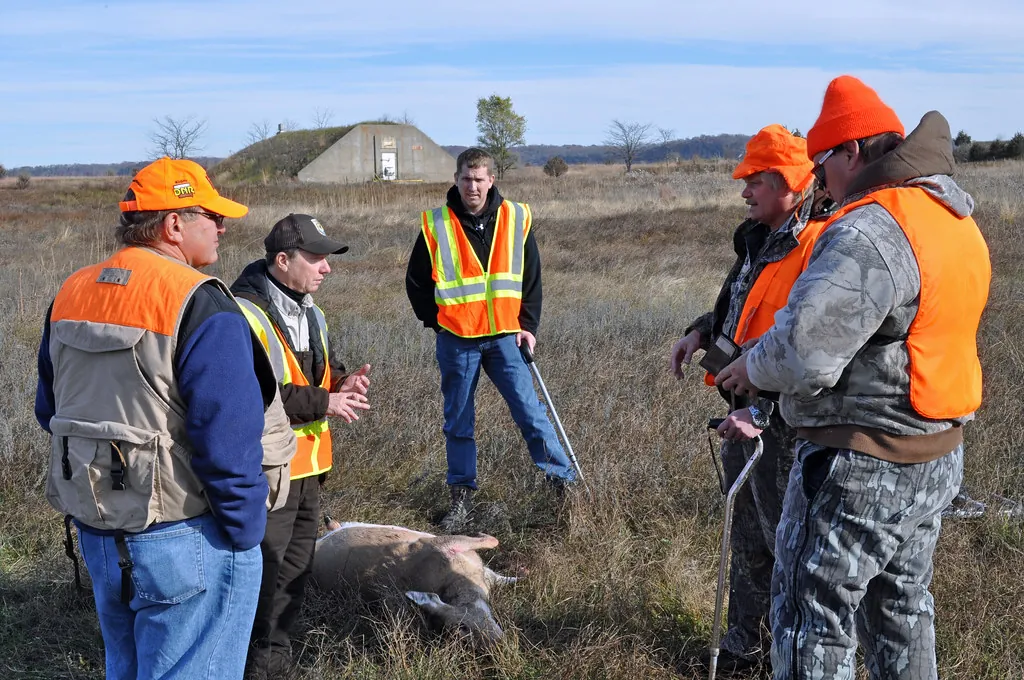
What it is
Hunting and the outdoors is a broad subject. It covers the skills, laws, ethics and conservation habits that go with taking game responsibly, along with the safety knowledge that every firearm owner is expected to carry afield.
In this section you will find topics such as hunter education courses, hunting seasons by state, fair chase ethics, the Pittman-Robertson Act, hunter orange requirements, first deer hunt tips and upland bird hunting for beginners. Each one is written to help you understand the subject before you act.
Because rules differ from state to state and change over time, this section focuses on understanding rather than instruction. Always confirm current requirements with your state wildlife agency and, for legal questions, a licensed attorney.
How it’s traditionally been approached
Hunting has long been part of American family and community life. Skills have often been passed from parents, grandparents and mentors to newcomers, along with a respect for the land, the animal and the rules.
Over the years, states have developed hunter education programs, licensing systems and seasons to support safety and wildlife management. Many hunters also see conservation funding and habitat stewardship as part of the tradition, and the Pittman-Robertson Act is one example of a federal law tied to that history.
Ethics have always been part of the conversation as well. Ideas such as fair chase, safe firearm handling, landowner respect and ethical shot selection are commonly discussed in hunting circles, and people may hold thoughtful views on how best to apply them.
How the right 2A business may help
The right 2A business may help you turn general knowledge into confident, practical preparation. Depending on the business, that could mean an instructor who teaches hunter education, a range that offers safe practice, an outfitter or guide who knows local terrain, or a retailer who explains gear categories and features.
A visit is generally a conversation. Expect to talk about your experience level, what you hope to hunt and where, and how the business can fit that. A good provider will put safety first, explain things patiently and be honest about what they do and do not offer.
Helpful questions to ask include: Is this course or service recognized by my state wildlife agency? What should I bring or know beforehand? How do you handle safety and firearm handling? Can you point me to official sources for current laws and seasons? Think of the answers as possibilities to weigh, never guarantees.
The bigger picture
Time outdoors can be a source of calm, focus and connection, and preparing well often brings its own peace of mind. Knowing the rules, practicing safe habits and having the right support can make a hunt feel less stressful and more rewarding. There is no single right way to approach it, and every approach that respects safety and the law deserves respect.
Hunting also touches your finances and schedule, from licenses and gear to travel and time away from home. Planning thoughtfully helps you avoid rushed choices. If you are weighing the wider financial side of your plans, Providers.plus may be one resource to explore.
Keep in mind
- Laws, seasons and requirements vary by state and change, so confirm with your state wildlife agency and a licensed attorney for legal questions.
- Safety comes first: treat every firearm as loaded, know your target and what is beyond it, and follow your hunter education training.
- This section educates only. It does not give legal advice, endorse brands or promise any outcome from working with a provider.
- Choose providers who are transparent, respect the law and are willing to answer your questions.
Guides in this topic
2A business types
Frequently asked questions
What is the Hunting & Outdoors section of this second amendment magazine?
It is a collection of educational guides on hunter education, ethics, conservation and the American outdoors. Each topic explains the basics in plain English and points you toward official sources. It is informational only and not legal or professional advice.
Do I need a hunter education course to hunt?
Requirements depend on your state and sometimes on your age or when you were born. Many states require a hunter education course for new hunters, so check with your state wildlife agency. Even where it is optional, many people find the training valuable.
How do I find hunting seasons in my state?
Your state wildlife or natural resources agency publishes official season information. Seasons can change from year to year, so always check the current regulations before you head out. A local licensed provider may also help point you to the right resources.
What is the Pittman-Robertson Act?
The Pittman-Robertson Act is a federal law that directs certain excise tax revenue toward wildlife conservation and related programs. It is often discussed as part of how hunters and shooters contribute to conservation. Read the official text or agency summaries for current details.
What does fair chase mean in hunting?
Fair chase refers to ethical, sporting pursuit of game that does not give a hunter an improper advantage. Hunters may hold different views on how it applies in specific situations. Your state laws and hunter education materials are good places to learn more.
How can a 2A business help me get started hunting?
The right business may offer instruction, safe practice, guided experiences or help understanding gear categories and features. Ask about their experience, safety approach and whether their offerings align with your state's requirements. Results vary, and nothing is guaranteed.
Educational resource. 2A Digital shares general information and connects people with independent 2A businesses. It is not professional advice. Talk with a qualified professional about your own situation.