What it is
Gun safety for kids is the practice of teaching children how to behave around firearms and what to do if they encounter one. It covers both knowledge, such as why a firearm is never a toy, and habits, such as speaking up and getting an adult.
It has two sides. One is the adult's responsibility: keeping firearms secured and out of reach of unsupervised children. The other is the child's education: simple, memorable rules that fit their age and maturity.
Many families and instructors teach a short set of core messages. If a child finds a gun, they should stop, not touch it, leave the area and tell a trusted adult right away. Children are also taught that safe, supervised handling is different from unsupervised curiosity.
How it’s traditionally been approached
Across generations, firearm knowledge has often been passed from parent to child, in the home, on the farm, in the field or at the range. Respect for the tool and for the responsibility of owning it has long been part of that tradition.
Families have commonly combined several approaches: open and honest conversations at home, locked or otherwise secured storage, and supervised introduction to shooting when a child is ready. Others choose to keep firearms out of the conversation until a child is older, and many households do not own firearms at all.
Community programs, hunter education courses, youth shooting clubs and certified instructors have also played a long-standing role. Parents differ on when and how to begin, and the right timing depends on the child, the household and applicable state law.
How the right 2A business may help
The right provider may help a family turn good intentions into clear habits. A qualified firearms instructor can explain safety rules in plain language, demonstrate them, and give children a calm, structured setting in which to learn. A visit generally starts with an introduction to the rules, followed by discussion, and in some programs supervised, hands-on learning.
Safe and secure storage businesses may help families understand the range of options, such as lockable cases, cabinets and safes, along with features like access control, size, and how quickly an authorized adult can reach a firearm. Ask what features are available and how each option fits your home and your children's ages.
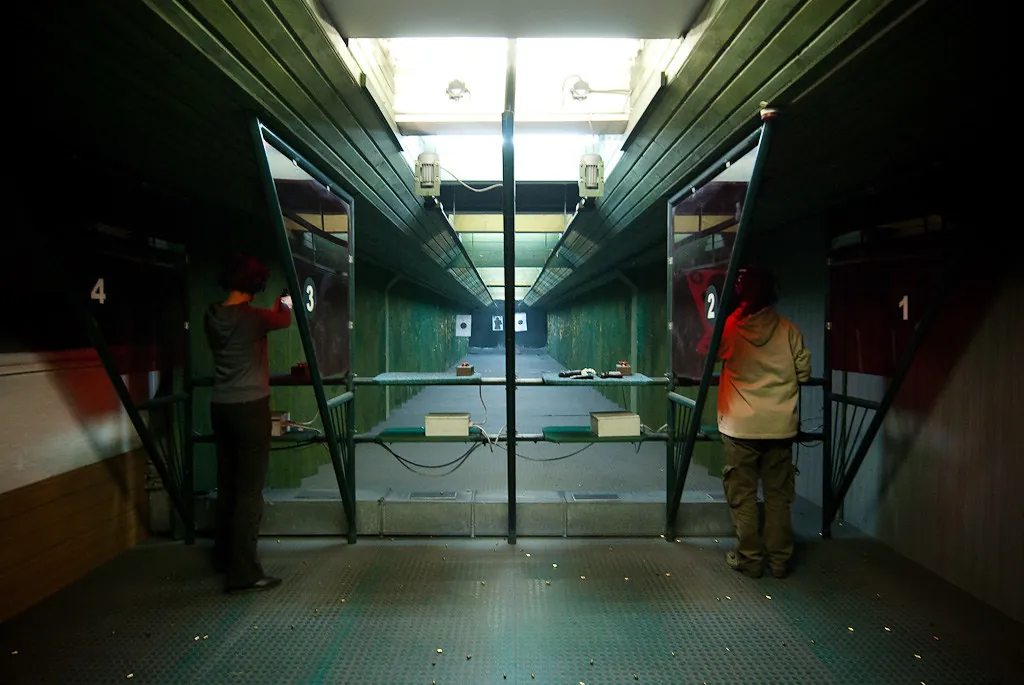
Shooting ranges and clubs may offer youth programs, range safety briefings and a supervised environment. Useful questions include: What are your age policies? What credentials do your instructors hold? How do you handle first-time participants? How are rules enforced? Always confirm requirements with the business, and with a licensed attorney or official state resources for the laws that apply to you.
The bigger picture
Talking with children about firearms can feel weighty. Many parents find that clear information and a plan bring peace of mind, because a child who knows what to do and a home with sensible storage can reduce worry. Every household decides this differently, and no single approach is right for everyone.
Wellbeing also includes the financial and emotional side of being prepared, from budgeting for storage or training to keeping conversations calm and age-appropriate. If you want to find trusted local help, Providers.plus may be a useful resource alongside the businesses in this directory.
Keep in mind
- Treat every firearm as if it could be loaded, and keep firearms secured and inaccessible to unsupervised children.
- Laws on storage, child access and youth firearm use vary by state and change over time. Confirm with a licensed attorney or official state resources.
- Children mature at different rates, so adjust conversations and training to your child's age and temperament.
- 2A Digital is an independent directory and not a professional advisor. A provider may help, but no outcome is guaranteed.
Not sure where to start? Answer a few gentle questions and choose who you’d like to hear from.
Read this month's issue →Frequently asked questions
What is gun safety for kids?
Gun safety for kids is the education of children about how to act around firearms, paired with adults securing firearms properly. It usually includes simple rules such as not touching a found gun, leaving the area and telling a trusted adult.
At what age should I start teaching my child about gun safety?
There is no single right age, since children mature differently and households vary. Many parents begin with simple, age-appropriate messages early and add detail as the child grows. A qualified instructor can help you think about what suits your child.
What should a child do if they find a gun?
A child should stop, not touch it, leave the area and tell a trusted adult immediately. Many programs teach this as a short, easy-to-remember routine and encourage practicing it through conversation.
How should firearms be stored around children?
Secure storage generally means keeping firearms locked or otherwise inaccessible to unsupervised children, with ammunition handled according to your household's plan. Options include safes, lockable cabinets and locking devices. Check your state's requirements with a licensed attorney or official state resources.
Can children take a firearm safety class?
Yes, many instructors, ranges and clubs offer youth or family safety courses, though age policies and legal requirements differ. Ask each provider about minimum ages, parental involvement and instructor credentials before enrolling.
How can a 2A business help with gun safety for kids?
A 2A business may help by offering instruction, secure storage options or supervised range environments. A good provider will explain safety rules clearly, answer your questions and respect your family's choices. Results vary and are never guaranteed.
Educational resource. 2A Digital shares general information and connects people with independent 2A businesses. It is not professional advice. Talk with a qualified professional about your own situation.