What it is
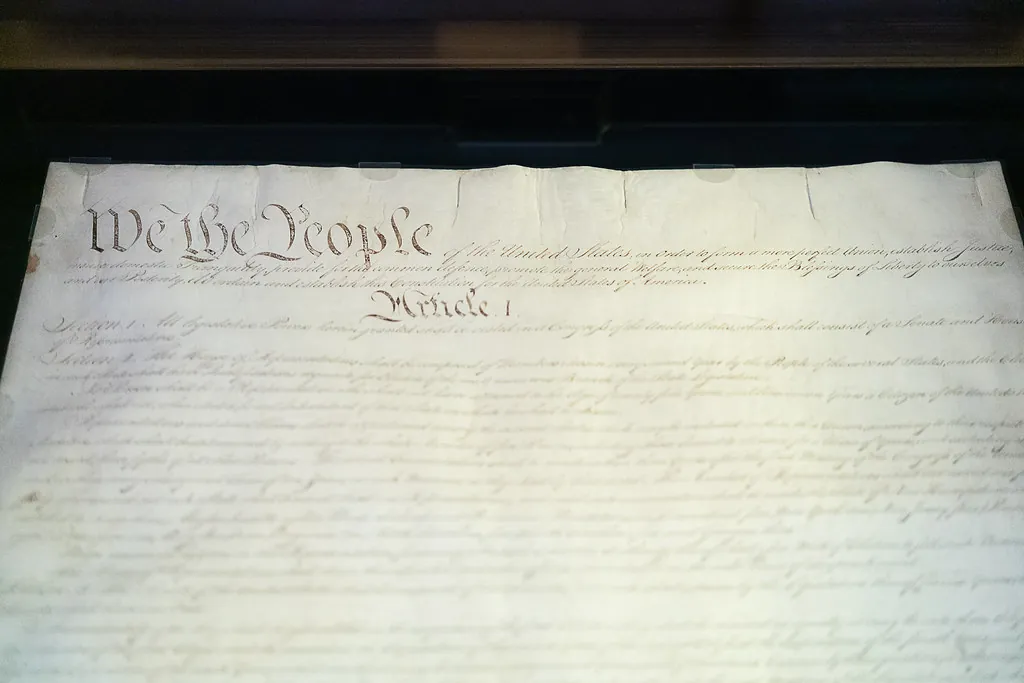
The Second Amendment is part of the Bill of Rights, the first ten amendments to the U.S. Constitution. Its text reads: "A well regulated Militia, being necessary to the security of a free State, the right of the people to keep and bear Arms, shall not be infringed." Reading that sentence closely, clause by clause, is where most study of the topic begins.
The amendment did not appear from nowhere. Its roots run through English legal tradition, including the English Bill of Rights of 1689, and through colonial experience with militias and self-defense. Founding-era writers debated the proper relationship between citizens, state militias and a national government, and those debates help explain why the amendment was written as it was.
This hub gathers the main threads of that story: the history of the Second Amendment, the broader history of the Bill of Rights, the meaning of the militia clause, and what founding-era figures wrote about arms and liberty. Constitutional conservatives often emphasize the original public meaning of the text, and this magazine presents that perspective alongside the historical facts and court decisions.
How it’s traditionally been approached
Students of the Constitution have traditionally started with primary sources: the text of the amendment, the English Bill of Rights of 1689, state declarations of rights, and the ratification debates. Reading these documents directly lets readers see the words and context for themselves.
Courts have also addressed the amendment. In District of Columbia v. Heller (2008), the Supreme Court held that the Second Amendment protects an individual right to possess a firearm unconnected with service in a militia, for traditionally lawful purposes such as self-defense within the home. In McDonald v. City of Chicago (2010), the Court held that this right applies to state and local governments through the Fourteenth Amendment. In New York State Rifle & Pistol Association v. Bruen (2022), the Court held that the right extends to carrying a handgun in public for self-defense and addressed the test courts should use.
Scholars and citizens have long discussed the meaning of the militia clause and how it relates to the right of "the people." Different readers weigh the text, history and precedent differently. Because laws vary by state and change over time, anyone with a specific legal question should confirm details with a licensed attorney or official state resources.
How the right 2A business may help
The right independent 2A business may help you turn historical curiosity into practical understanding. Some publishers, educators, and firearm training professionals offer courses, reading lists or talks that put the founding documents in context. This can be a possibility worth exploring, not a promise of any particular outcome.
A visit or first conversation is generally relaxed. You might describe what you want to learn, whether it is the history, safe handling, or understanding your state's rules, and the business can point you toward appropriate materials or classes. Safety is typically emphasized first with any firearm-related topic.
Good questions to ask include: What sources do you rely on for historical claims? Do you teach safe handling and storage? How do you stay current on state and local law? Do you refer students to a licensed attorney for legal questions? A thoughtful business will welcome these questions and be honest about what it does not cover.
The bigger picture
Learning the history behind a constitutional right can bring a sense of grounding and confidence. Understanding why the amendment was written, and how courts have read it, may help you make calmer, more informed decisions about your household's safety, your responsibilities and your peace of mind.
Wellbeing also includes practical matters like budgeting for training, secure storage and the legal knowledge that protects your family. If you are thinking about the financial side of independent work in this field, Providers.plus may be a helpful resource. Whatever your views, a steady, respectful approach to the subject tends to serve you best.
Keep in mind
- 2A Digital is an independent directory, not a professional advisor, and nothing here is legal advice.
- Firearm laws vary by state and locality and can change, so confirm current rules with a licensed attorney or official state resources.
- Safety comes first: safe handling, secure storage and proper training matter for every firearm topic.
- Court cases are summarized factually here by name and year; read the full opinions for complete context.
Guides in this topic
2A business types
Frequently asked questions
What does the Second Amendment say?
The Second Amendment reads: "A well regulated Militia, being necessary to the security of a free State, the right of the people to keep and bear Arms, shall not be infringed." It is part of the Bill of Rights in the U.S. Constitution. Readers often study its prefatory clause and operative clause separately.
What is the history of the Second Amendment?
The history of the Second Amendment stretches from English legal tradition and colonial militias to the debates over the Constitution and the drafting of the Bill of Rights. The amendment was among the first ten adopted after ratification of the Constitution. Understanding it usually involves reading founding-era documents and later court decisions.
What was the English Bill of Rights of 1689?
The English Bill of Rights of 1689 was an act of Parliament that set out certain rights and limits on the Crown, including a provision about Protestant subjects having arms for their defense as allowed by law. Many historians see it as an influence on American thinking about rights. It is often studied alongside the Second Amendment.
What is the militia clause and what does it mean?
The militia clause is the opening phrase of the Second Amendment, referring to a well regulated Militia being necessary to the security of a free State. Its meaning has been debated for generations. In District of Columbia v. Heller (2008), the Supreme Court held that the clause announces a purpose but does not limit the individual right in the operative clause.
What did the founding fathers say about the right to bear arms?
Founding-era writers discussed arms, militias and liberty in letters, essays and ratification debates, such as those found in the Federalist Papers. Because quotations are often misattributed, readers should check any quote against a reliable primary source. This magazine encourages reading the original documents directly.
What does constitutional conservative mean?
A constitutional conservative is someone who generally favors interpreting the Constitution according to its text and original public meaning. In the Second Amendment context, this often means emphasizing founding-era history and the plain words of the amendment. People of many viewpoints study these same sources and may reach different conclusions.
Educational resource. 2A Digital shares general information and connects people with independent 2A businesses. It is not professional advice. Talk with a qualified professional about your own situation.