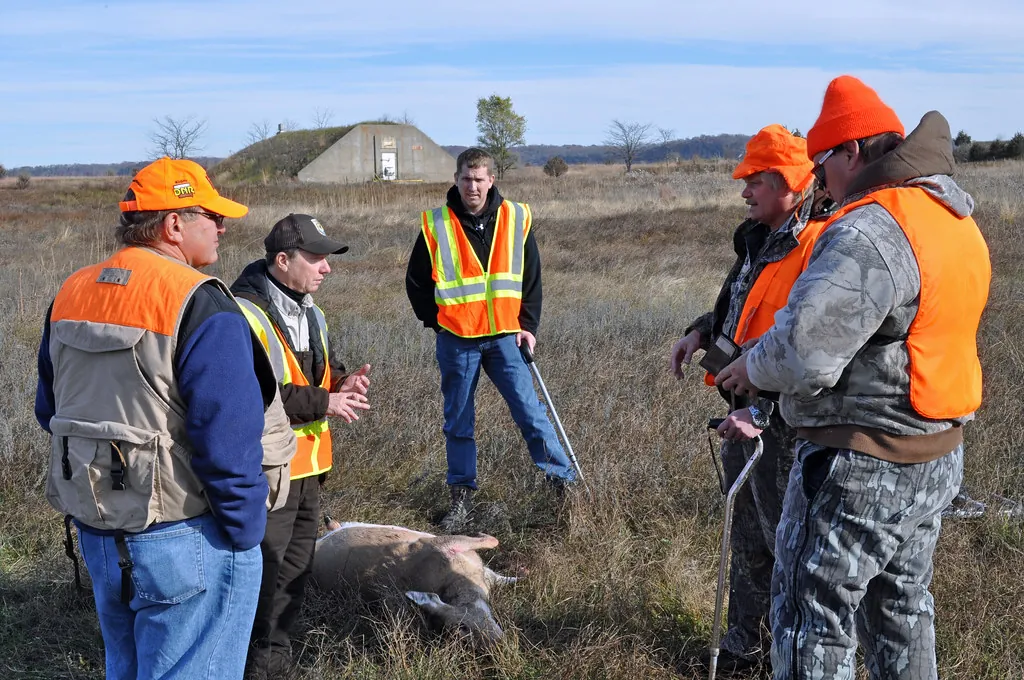
What it is
Upland bird hunting is the pursuit of game birds that live on open ground such as fields, grasslands, brush and woodland edges, rather than waterfowl found on wetlands. Depending on where you live, species may include pheasant, quail, grouse, partridge and others.
The hunt is often a walking sport. Hunters move through cover, sometimes with a trained dog, and take shots at birds that flush into the air. It rewards patience, fitness, awareness of terrain and steady, careful gun handling.
Upland hunting is part of a long American outdoor tradition tied to conservation, private landowners and public lands. Seasons, bag limits, licensing and legal firearms vary by state and change over time, so always confirm current rules with your state wildlife agency.
How it’s traditionally been approached
Many newcomers have learned from a family member, friend or mentor who shares knowledge of the land, local birds and safe habits afield. This hands-on approach has passed the tradition down for generations.
Others begin with a formal hunter education course, which most states require in some form for new hunters. These courses typically cover firearm safety, ethics, wildlife laws and basic field practices.
Some beginners also try guided hunts, hunting preserves or local clubs, where experienced people help with terrain, dogs and etiquette. Each path has value, and many hunters combine several of them over time.
How the right 2A business may help
A hunting outfitter or hunter education provider may help you learn the fundamentals in a structured, supportive setting. A visit or first call is generally a conversation about your experience level, what species interest you, and what you hope to get out of the day.
Useful questions to ask include: What licenses and hunter education certificates are required for me? What will a typical day look like? Is a dog provided? How are safety rules and gun handling covered? What should I wear and bring?
An outdoor or range gear retailer may help you understand categories of gear such as blaze-orange apparel, boots, vests, eye and ear protection, and shotgun-related accessories. Staff can often explain features and fit, but it is wise to ask questions and compare options without feeling rushed.
The bigger picture
Time in the field can be a rewarding way to unplug, move your body and build skills at your own pace. Many people value the quiet mornings, the companionship of friends or a hunting dog, and the sense of connection to the land.
Starting out also involves costs for licenses, gear and travel, so it can help to begin modestly and grow as your interest does. If you are also thinking about the financial side of a new hobby, Providers.plus may be one resource to explore. Whatever your path, go at a pace that feels comfortable and safe.
Keep in mind
- Safety comes first: treat every firearm as loaded, keep the muzzle pointed in a safe direction, and know your target and what is beyond it.
- Hunting laws, licensing, season dates and firearm rules differ by state and can change, so confirm current requirements with your state wildlife agency or a licensed attorney.
- 2A Digital is an independent directory, not a professional advisor, and listings are not endorsements or guarantees.
- Be respectful of landowners, other hunters and wildlife, and always get permission before entering private property.
Not sure where to start? Answer a few gentle questions and choose who you’d like to hear from.
Read this month's issue →Frequently asked questions
How do I get started with upland bird hunting for beginners?
Start by completing any hunter education course your state requires and learning your state's licensing rules. Then consider finding a mentor, local club or guided hunt to gain experience. Confirm all requirements with your state wildlife agency.
What kind of firearm is used for upland bird hunting?
Shotguns are traditionally the firearm used for upland birds, though legal requirements and ammunition rules vary by location. A knowledgeable retailer or hunter education instructor may help you understand the general categories and how fit and features matter. Always follow your state's regulations.
Do I need a hunting dog to hunt upland birds?
No, a dog is not required, though many hunters enjoy working with one. Dogs can help locate and retrieve birds, but beginners can hunt without one or join a guided hunt where a dog is provided. Ask an outfitter what is included.
Is hunter education required for beginners?
Many states require new hunters to complete hunter education before buying a license, but rules vary by state and age. Check your state wildlife agency's website for current requirements. Courses are often offered in person or online.
What should a beginner wear for upland bird hunting?
Beginners typically wear sturdy boots, durable pants that handle brush, layers suited to the weather, and blaze-orange where required or recommended. Eye and ear protection are also commonly used. Local rules and conditions differ, so ask your outfitter or state agency.
Where can I hunt upland birds as a beginner?
Options may include public lands, private land with permission, hunting preserves and guided hunts. Access rules, seasons and fees vary by area. Your state wildlife agency and local outfitters can help you learn what is available near you.
Educational resource. 2A Digital shares general information and connects people with independent 2A businesses. It is not professional advice. Talk with a qualified professional about your own situation.