What it is
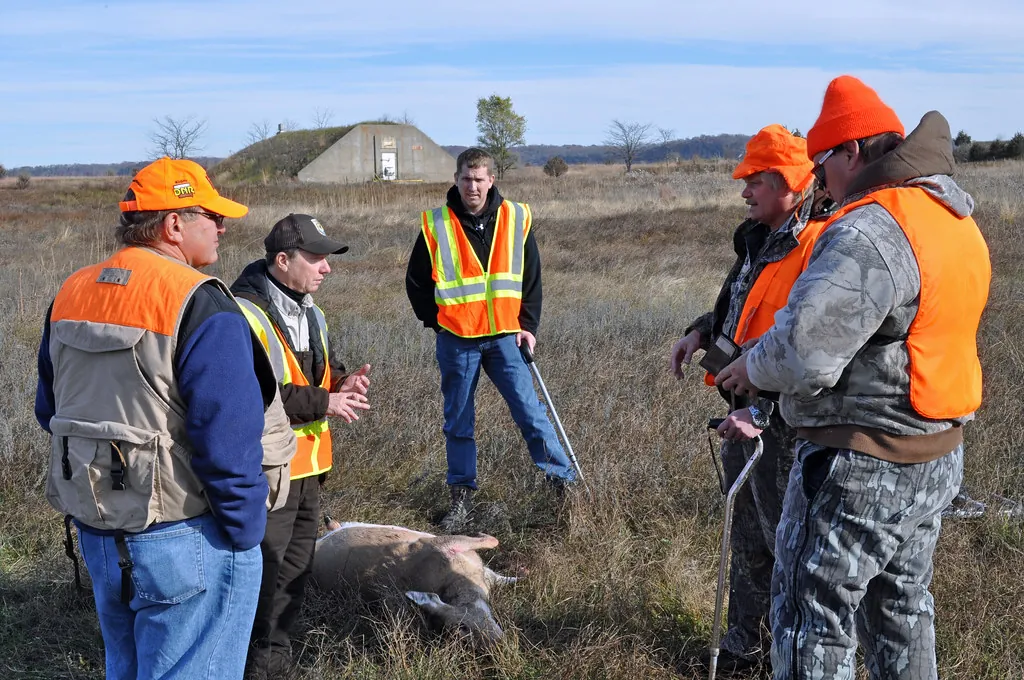
Hunter orange, sometimes called blaze orange or safety orange, is a bright fluorescent color used in outdoor clothing. It stands out against woods, fields and brush, which helps hunters identify each other from a distance.
Hunter orange requirements are the rules a state or land manager sets about when, where and how much of it a hunter must wear. These rules often depend on the type of game, the hunting method, and the season.
Because each state writes its own regulations, there is no single answer that fits everywhere. Requirements may also differ on public land, private land or special management areas, so it pays to read the current rules for the exact place you plan to hunt.
How it’s traditionally been approached
Hunters have long handed down a culture of safety along with the skills of the field. Wearing bright colors became a widely accepted practice as more hunters shared the woods, especially during seasons when many people are afield at once.
Traditionally, hunter education courses have been the place where new hunters learn about visibility, safe zones of fire, and identifying a target and what is beyond it. Many families and hunting clubs also pass these habits along informally from one generation to the next.
States commonly publish their hunting regulations each year in printed guides and on official wildlife agency websites. Hunters have traditionally checked these before each season, since details such as the amount of orange, the type of garment, or exceptions for certain game can be updated.
How the right 2A business may help
The right hunting outfitter or hunter education provider may help you understand how visibility rules fit into the larger picture of safe hunting. A good one can explain how local practices work and point you to official state resources for the exact wording of the rules.
A visit to an outdoor or range gear retailer is generally relaxed. You can look at categories such as orange vests, hats, jackets and bibs, compare features like fit, comfort, layering, and how well they work with your other gear, and ask questions at your own pace.
Helpful questions to ask include: Which official state resource should I check for current rules? Does this garment fit comfortably over my other layers? Is this item suitable for the kind of hunting I plan to do? Remember that a provider may help you learn, but your state's official regulations are the final word.
The bigger picture
Knowing the rules before you go can bring real peace of mind. When you're confident that you're properly prepared and visible, you can focus on the quiet, rewarding parts of the hunt: the early morning, the landscape, and time with family or friends.
Preparation also has a practical side. Reading the regulations, choosing comfortable gear and taking a hunter education course are modest steps that may help you avoid costly mistakes and unnecessary worry. If you're looking for broader support in building a well-rounded outdoor lifestyle, Providers.plus may be one place to explore.
Keep in mind
- Laws and regulations vary by state and change over time, so always confirm current hunter orange requirements with your state wildlife agency or a licensed attorney.
- Wearing hunter orange supports safety but never replaces the basics: treat every firearm as loaded, control your muzzle, and be sure of your target and what is beyond it.
- Rules may differ by game, season, weapon type and location, including public and private land, so check the specifics for each hunt.
- 2A Digital is an independent directory and educational resource, not a professional or legal advisor.
Not sure where to start? Answer a few gentle questions and choose who you’d like to hear from.
Read this month's issue →Frequently asked questions
What are hunter orange requirements?
Hunter orange requirements are state rules that say how much bright fluorescent orange a hunter must wear in certain seasons or situations. The goal is to help hunters see one another in the field. Details vary by state, so check your state's official regulations.
Is hunter orange required in every state?
No, requirements are not the same everywhere. Some states require it for certain types of hunting, while others have different rules or only recommend it. Confirm the current rules with your state wildlife agency before you hunt.
Where can I find my state's hunter orange requirements?
Your state wildlife or natural resources agency is the best source. Most publish an annual hunting regulations guide and keep updated information on their official website. If anything is unclear, contact the agency directly.
Does hunter orange scare away game?
Many hunters have long discussed this question, and traditional experience varies. Many game animals are generally understood to see color differently than people do. Whatever your view, follow the requirements in your state, since they exist for safety.
Do hunter education courses cover hunter orange?
Hunter education courses commonly cover visibility and general field safety, and they may point you to your state's specific rules. Course content varies by state and provider. Ask your instructor which official resources to rely on for current requirements.
What should I look for when buying hunter orange gear?
Look for categories like vests, hats, jackets and bibs, and consider fit, comfort, layering and durability. Make sure the item suits the kind of hunting you plan to do. Then check your state's rules to confirm that it meets the requirements.
Educational resource. 2A Digital shares general information and connects people with independent 2A businesses. It is not professional advice. Talk with a qualified professional about your own situation.