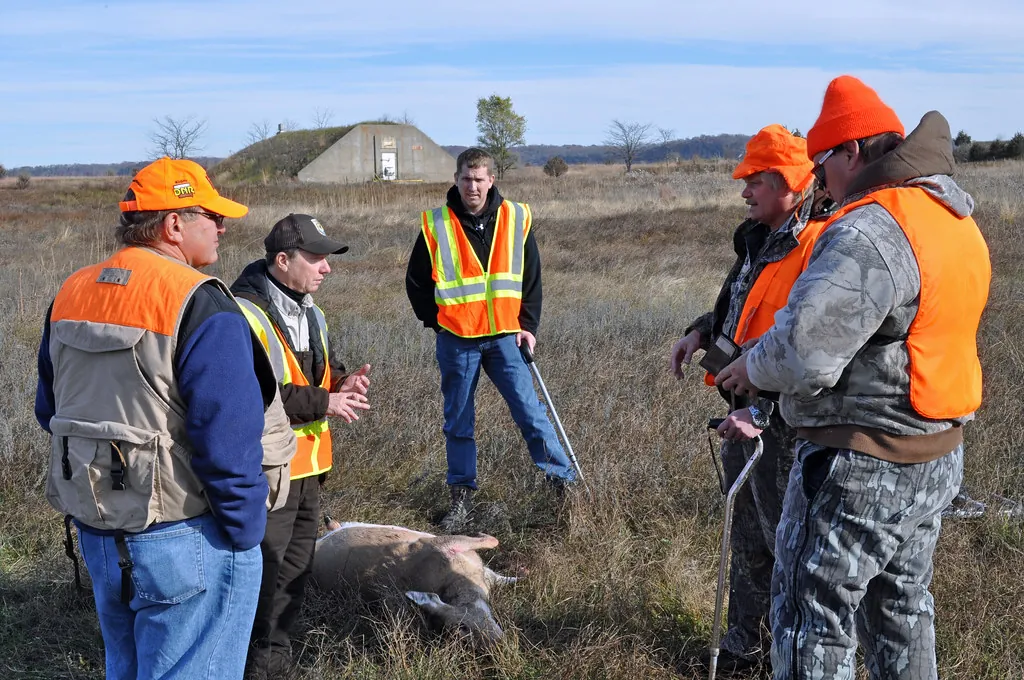
What it is
A hunter education course is a structured class that teaches the basics of hunting safely and responsibly. Topics commonly include firearm safety, safe handling in the field, wildlife identification, ethics, conservation, and respect for landowners and fellow sportsmen.
Many states and jurisdictions ask first-time hunters to complete an approved course before they can buy a hunting license. Requirements differ by state, by age, and sometimes by the type of hunting, so it is important to confirm the rules where you plan to hunt.
The goal is not just to check a box. A good course aims to build habits that last a lifetime: treating every firearm with care, knowing your target and what is beyond it, and understanding the role hunters play in wildlife conservation.
How it’s traditionally been approached
Hunting knowledge has long been handed down from one generation to the next, often from a parent, grandparent, or mentor in the field. Formal hunter education grew alongside that tradition to give every new hunter a shared baseline of safety and ethics.
Courses have traditionally been taught in a classroom or at a range or outdoor site, with instructors who are often experienced volunteers or professionals. Many states also now offer online options for the classroom portion, sometimes paired with an in-person field session. Availability varies by location.
Over time, courses have typically paired lectures and written materials with hands-on practice, such as safe firearm handling and carrying positions. Some people also learn alongside a mentor or guide, which can complement a formal class rather than replace it.
How the right 2A business may help
The right hunting outfitter, hunter education instructor, or outdoor retailer may help you find an approved course in your state, understand what format fits your schedule, and know what to expect on the first day. They may also point you toward official state wildlife agency resources, which are the best source for current requirements.
A visit or first conversation is generally relaxed and practical. You might talk about your experience level, what game you hope to pursue, and what gear categories are commonly discussed, such as safe carry equipment, blaze orange apparel, and field essentials. Good providers listen first and never pressure you.
Helpful questions to ask include: Is this course approved by my state's wildlife agency? Is it classroom, online, or a mix? What does the hands-on portion involve? What should I bring? What happens if I need to reschedule? And are there mentored hunts or follow-up learning opportunities for beginners?
The bigger picture
Learning to hunt is as much about confidence and peace of mind as it is about skill. Knowing the rules, handling a firearm properly, and understanding the land and wildlife can turn nervousness into calm preparation. For many families, time outdoors together also supports wellbeing and shared tradition.
There are practical considerations too. Course fees, travel, and gear all add up, so it can help to plan ahead and ask providers what is truly needed to start. If you are building a broader plan for your household's finances or preparedness, Providers.plus may be one place to explore additional resources. Every path into the outdoors is different, and none needs to be rushed.
Keep in mind
- Requirements for hunter education vary by state and change over time, so confirm with your state wildlife agency or official state resources.
- This page is educational only and is not legal advice; consult a licensed attorney for questions about laws that affect you.
- Firearm safety always comes first: treat every firearm as loaded, keep the muzzle pointed in a safe direction, and know your target and what lies beyond it.
- 2A Digital is an independent directory, not a professional advisor, and listing a provider is not an endorsement or a guarantee of results.
Not sure where to start? Answer a few gentle questions and choose who you’d like to hear from.
Read this month's issue →Frequently asked questions
What is a hunter education course?
A hunter education course is a class that teaches new hunters about firearm safety, ethics, wildlife identification, and conservation. Many states ask first-time hunters to complete an approved course before buying a license. Check your state wildlife agency for the exact rules.
Do I need a hunter education course to get a hunting license?
It depends on your state, your age, and sometimes the type of hunting. Many places require proof of completion for first-time hunters, while others have exceptions or alternatives such as mentored hunting. Confirm current requirements with official state resources.
Can I take a hunter education course online?
In many states, yes, at least for part of the course. Some jurisdictions accept an online classroom portion, and some also require an in-person field day or exam. Availability varies, so verify that the course is approved by your state before you enroll.
How long does a hunter education course take?
Length varies by state and by format. Some courses are completed over a weekend or several sessions, while online options may let you move at your own pace. Your state wildlife agency or the course provider can tell you what to expect.
Is a hunter education certificate valid in other states?
Many states recognize certificates from other states, but policies differ and can change. If you plan to hunt away from home, check with the wildlife agency in the state where you will hunt. It is a good idea to keep your certificate in a safe place.
How do I find a good hunter education course near me?
Start with your state wildlife agency, which typically lists approved courses and instructors. Local hunting outfitters, outdoor retailers, and range operators may also know about upcoming classes. Ask about approval status, format, what to bring, and what the hands-on portion includes.
Educational resource. 2A Digital shares general information and connects people with independent 2A businesses. It is not professional advice. Talk with a qualified professional about your own situation.