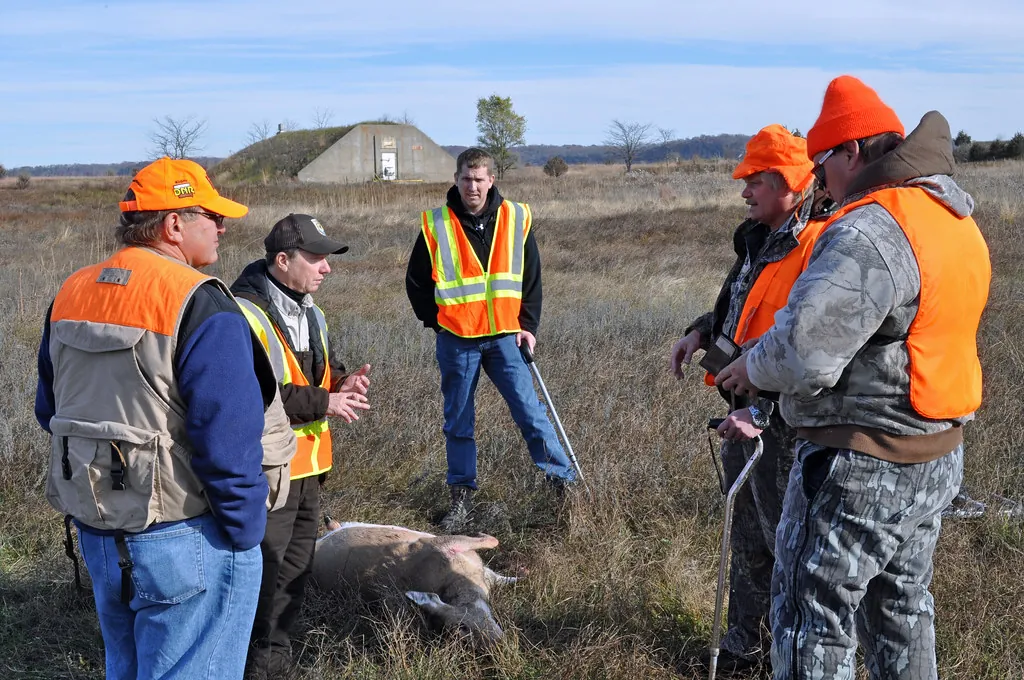
What it is
Hunting season by state refers to the legally defined periods when particular game animals may be hunted. Each state sets its own calendar for species such as deer, turkey, waterfowl, small game, and big game, along with the weapon types allowed, like archery, muzzleloader, or modern firearm.
Seasons usually come with other rules: bag limits, licensing and tag requirements, legal shooting hours, hunter orange requirements, and zone or unit boundaries. Two hunters in neighboring states, or even neighboring counties, may face quite different rules for the same animal.
Migratory birds add another layer, since federal frameworks work alongside state decisions. Dates change, so the only reliable source is the current regulations published by the state's fish and wildlife agency.
How it’s traditionally been approached
Hunting is one of the oldest American traditions, and the structure of modern seasons grew out of a long history of conservation. Hunters have generally supported wildlife management through license fees and excise taxes on gear, and seasons are one tool agencies use to keep game populations healthy.
Traditionally, hunters learn the rules by reading the printed or online regulations booklet each year, taking a hunter education course, and learning from experienced family members or mentors. Many hunters keep a yearly habit of checking for updates before opening day.
Others rely on local sporting goods stores, hunting clubs, and guided outfitters for practical knowledge about local conditions. Whatever the approach, the official state agency remains the final word on what is legal.
How the right 2A business may help
The right hunting outfitter or hunter education provider may help you turn a confusing set of dates and rules into a clear plan. A good provider is often familiar with local regulations, land access, and the habits of the game in their area, and can explain how it all fits together for a new or returning hunter.
A visit or first conversation is generally relaxed. You might talk about what species interests you, your experience level, and the type of hunt you have in mind. An outdoor or range gear retailer may also walk you through categories of equipment, such as optics, blaze orange apparel, and field-care tools, without any pressure.
Good questions to ask include: Are you licensed and insured? How do you keep up with current season dates and zone changes? What safety practices do you emphasize? What should I bring, and what do I need to arrange with the state before I arrive? Always confirm the final rules with your state wildlife agency.
The bigger picture
Preparing for a hunt is about more than a calendar. Knowing the rules ahead of time can bring peace of mind, help you avoid costly mistakes with tags or licenses, and let you focus on being present outdoors. Time in the field is, for many people, a source of patience, fitness, and connection with family and friends.
Planning also touches your budget and your schedule, so it helps to start early and take things at your own pace. If you are weighing the financial side of gear, travel, or guided trips, a resource like Providers.plus may help you think through the bigger picture. No single approach is right for everyone.
Keep in mind
- Seasons, zones, and bag limits change, so always check the current regulations from your state's wildlife agency before you hunt.
- Laws vary by state and may change; confirm details with official state resources or a licensed attorney when in doubt.
- Safety comes first: complete hunter education, treat every firearm as loaded, know your target and what is beyond it, and wear required hunter orange.
- 2A Digital is an independent directory, not a professional advisor, and any provider's help is a possibility, not a guarantee.
Not sure where to start? Answer a few gentle questions and choose who you’d like to hear from.
Read this month's issue →Frequently asked questions
Where can I find hunting season by state?
The most reliable place is your state's fish and wildlife agency, which publishes current regulations online and often in a printed booklet. Look for the year's dates, species, zones, and weapon rules. Local outfitters and retailers may help you understand them, but the agency's published rules are the final authority.
Why does hunting season differ from state to state?
Each state manages its own wildlife based on local habitat, game populations, and conservation goals. As a result, dates, methods, and limits vary widely. Even within one state, rules can differ by region or management unit.
Do I need a license to hunt in any state?
Generally, yes. Most states require a hunting license and often additional tags or permits for specific species. Requirements vary, so check with your state agency, and note that nonresidents typically have their own rules.
Do I need hunter education before hunting?
Many states require a hunter education course for new hunters, often depending on age or when you were born. Requirements vary by state, and some states recognize courses from other states. Confirm the current rules with your state wildlife agency.
Can I hunt in a different state than where I live?
Yes, in most cases, but you will usually need to follow the destination state's licensing, tag, and season rules. Firearm transport laws can also differ as you travel. Check official state resources, and consider consulting a licensed attorney if you are unsure.
How can a hunting outfitter help me with seasons?
A reputable outfitter may help by explaining local seasons, land access, and what to expect in the field. They may also handle some logistics for guided hunts. Ask about their licensing, safety practices, and how they keep up with current regulations.
Educational resource. 2A Digital shares general information and connects people with independent 2A businesses. It is not professional advice. Talk with a qualified professional about your own situation.