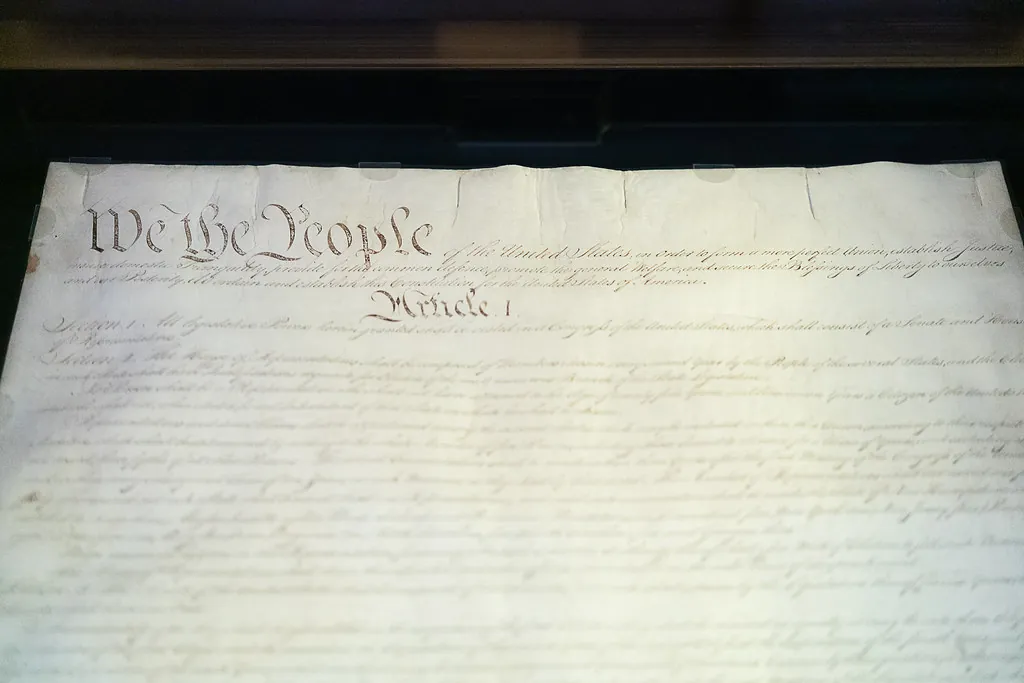
What it is
When people search for the founding fathers on the right to bear arms, they are usually looking for the thinking behind the Second Amendment, ratified as part of the Bill of Rights. The amendment's text reads: "A well regulated Militia, being necessary to the security of a free State, the right of the people to keep and bear Arms, shall not be infringed."
The founders drew on English legal tradition, including the English Bill of Rights of 1689, and on their own colonial experience with citizen militias. Debates during the ratification period, along with writings such as the Federalist Papers, show that Americans of the era discussed armed citizens, militias and the balance between federal and state power.
Founders did not all speak with one voice, and historians continue to study their writings closely. Reading primary sources directly, such as the Constitution, the Bill of Rights and the Federalist Papers, is a good way to form your own understanding.
How it’s traditionally been approached
Traditionally, the topic has been approached through primary documents: the text of the amendment, state constitutions of the founding era, and the records of ratifying conventions. Students and scholars often compare these sources to see how the phrases "militia" and "the people" were used.
Courts have also interpreted the amendment over time. In United States v. Miller (1939), the Supreme Court addressed the amendment in the context of a federal firearms law. In District of Columbia v. Heller (2008), the Court held that the amendment protects an individual right to possess a firearm for lawful purposes such as self-defense in the home. In McDonald v. City of Chicago (2010), the Court held that this right applies to state and local governments. In New York State Rifle & Pistol Association v. Bruen (2022), the Court addressed public carry and emphasized the nation's historical tradition of firearm regulation.
Interpretation continues to be debated in legislatures, courts and classrooms. Readers with different views can find common ground in studying the original texts and the reasoning of the courts, described factually and in context.
How the right 2A business may help
Knowing the history is helpful, but applying it to your own situation is a different matter. Firearm laws vary by state and locality and change over time. A 2A legal protection provider, such as a licensed attorney or a legal membership program focused on firearm law, may help you understand how the rules apply where you live.
A first conversation is generally an introduction. The provider may explain what services they offer, how they handle questions about lawful ownership, carry or transport, and what is and is not covered. It is a chance to ask questions, not a promise of any outcome.
Useful questions to ask include: Are the attorneys licensed in my state? What situations does the service cover and exclude? How are questions answered, and how quickly? What are the terms in writing? Always confirm details with a licensed attorney or official state resources.
The bigger picture
Learning where a right comes from can bring a sense of grounding and confidence. Many people find that understanding the history helps them approach ownership with respect, responsibility and calm rather than uncertainty.
Peace of mind also has a practical side. Knowing your local laws, having trusted legal resources, and planning ahead may reduce stress and protect your finances. For broader wellbeing support, some readers explore Providers.plus, and no single approach is right for everyone.
Keep in mind
- This page is educational and is not legal advice; confirm anything specific with a licensed attorney or official state resources.
- Laws on firearms vary by state and locality and can change, so check current rules before acting.
- Safety comes first: follow safe storage, handling and training practices at all times.
- Founding-era sources are best read directly, and thoughtful people interpret them in different ways.
Not sure where to start? Answer a few gentle questions and choose who you’d like to hear from.
Read this month's issue →Frequently asked questions
What did the founding fathers say about the right to bear arms?
The founders' views appear in documents such as the Second Amendment, state constitutions and the Federalist Papers, and they did not all say the same thing. Their writings reflect concerns about militias, liberty and the balance of governmental power. Reading the primary sources yourself is the best way to see the range of views.
What does the Second Amendment actually say?
The Second Amendment says: "A well regulated Militia, being necessary to the security of a free State, the right of the people to keep and bear Arms, shall not be infringed." It was ratified in 1791 as part of the Bill of Rights. Scholars and courts have discussed how its two clauses relate to each other.
Did the Supreme Court say the Second Amendment protects an individual right?
Yes, in District of Columbia v. Heller (2008), the Court held that the Second Amendment protects an individual right to possess a firearm for lawful purposes such as self-defense in the home. In McDonald v. City of Chicago (2010), it held that this right applies to the states. These are factual descriptions of the holdings, not legal advice.
Where can I read the founding fathers' writings on arms?
You can read the Constitution and Bill of Rights, the Federalist Papers, and founding-era state constitutions through the National Archives, the Library of Congress and many university libraries. Many are available online for free. Reading original text helps you avoid misquotes.
Do gun laws today match what the founders knew?
Technology and society have changed greatly since the founding, and courts continue to consider how historical practice applies to modern laws. In New York State Rifle & Pistol Association v. Bruen (2022), the Court emphasized the nation's historical tradition of firearm regulation as a guide. Laws differ by state, so confirm current rules with a licensed attorney or official state resources.
How can a 2A legal protection provider help me?
A 2A legal protection provider may help you understand how firearm laws apply in your state and what resources exist if you have legal questions. Services vary, and none can guarantee an outcome. Ask what is covered, review terms in writing, and confirm that attorneys are licensed in your state.
Educational resource. 2A Digital shares general information and connects people with independent 2A businesses. It is not professional advice. Talk with a qualified professional about your own situation.