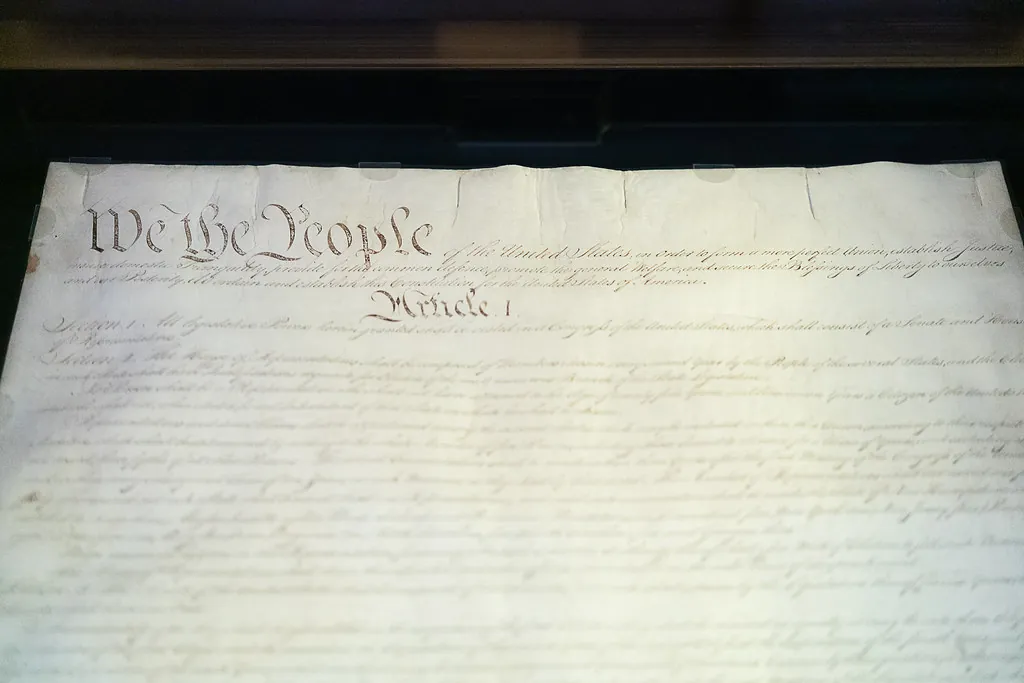
What it is
The Second Amendment reads: "A well regulated Militia, being necessary to the security of a free State, the right of the people to keep and bear Arms, shall not be infringed." The first half is often called the prefatory or militia clause. The second half is called the operative clause.
The prefatory clause states a purpose, or a reason, for the protection that follows. In plain English, it explains one reason the Founders valued an armed citizenry: a free state needed a body of citizens able to defend it. Grammar scholars and courts have long discussed how a clause that announces a purpose relates to the clause that states the right.
Understanding the militia clause meaning also means understanding the word "militia" as it was used in the founding era. It generally referred to the body of ordinary citizens who could be called to common defense, rather than a standing professional army. The words "well regulated" are generally understood in historical context to mean properly functioning and disciplined.
How it’s traditionally been approached
Over the years, Americans have approached the clause in two broad ways. One view holds that the amendment protects a right tied mainly to service in an organized militia. The other holds that it protects an individual right of the people, with the militia clause explaining one purpose but not limiting the right.
The Supreme Court addressed the question in United States v. Miller (1939), which discussed the relationship between arms and the militia. In District of Columbia v. Heller (2008), the Court held that the Second Amendment protects an individual right to possess firearms unconnected with service in a militia, and that the prefatory clause announces a purpose without limiting the operative clause.
In McDonald v. City of Chicago (2010), the Court held that this right applies to state and local governments through the Fourteenth Amendment. In New York State Rifle & Pistol Association v. Bruen (2022), the Court addressed how courts should evaluate modern regulations in light of the nation's historical tradition. Courts continue to hear cases in this area, and readers should consult current sources.
How the right 2A business may help
Constitutional questions can feel abstract, but they often connect to real choices about owning, carrying or transporting firearms. A 2A legal protection provider may help you understand how court decisions and state laws apply in practice. They offer education and services, not guarantees of any outcome.
A first conversation with a provider is generally a chance to describe your situation and learn what they offer. Many explain how their services work, what is and isn't covered, and how they handle questions about local law. You can expect them to be clear that they are not a substitute for a licensed attorney in your state.
Useful questions to ask include: How do you stay current with changes in state law? What do your services include and exclude? How do you work with licensed attorneys? What happens if I have a question about travel across state lines? Reading terms carefully and asking for them in writing can help you decide with confidence.
The bigger picture
Knowing the history behind your rights can bring a sense of confidence and peace of mind. When you understand what the Second Amendment says and how courts have read it, you can take part in civic conversations calmly and respectfully, and you may feel more settled about your responsibilities as a gun owner.
Responsible ownership also means thinking about your finances and your household's wellbeing, including safe storage, training and legal preparedness. Directories like Providers.plus may help you explore wellness resources too. Taking a balanced, whole-person view can support steadier decisions for you and your family.
Keep in mind
- Laws vary by state and change over time, so confirm current rules with a licensed attorney or official state resources.
- This page is educational only and is not legal advice; 2A Digital is an independent directory, not a professional advisor.
- Court decisions are described here factually, and future rulings may refine or change how the clause is applied.
- Firearm safety always comes first: follow safe handling, storage and transport practices at all times.
Not sure where to start? Answer a few gentle questions and choose who you’d like to hear from.
Read this month's issue →Frequently asked questions
What is the militia clause meaning in the Second Amendment?
The militia clause meaning refers to the opening phrase, "A well regulated Militia, being necessary to the security of a free State." It states a purpose for the right that follows. In District of Columbia v. Heller (2008), the Supreme Court held that this clause announces a purpose but does not limit the right of the people to keep and bear arms.
What does "well regulated" mean in the Second Amendment?
In founding-era usage, "well regulated" is generally understood to mean well functioning, disciplined and properly trained. It is not usually read as meaning heavily governed by regulation. Scholars and courts continue to discuss the phrase, so it helps to read the historical sources yourself.
Who are the militia according to the Constitution?
The Constitution refers to the militia in several places, including Article I, which gives Congress certain powers over organizing and calling forth the militia. Founding-era understanding generally saw the militia as the body of ordinary citizens available for common defense. Federal statutes also define the militia, and those definitions can change, so check current official sources.
Does the Second Amendment only protect militia members?
No, according to the Supreme Court's holding in District of Columbia v. Heller (2008), which recognized an individual right to possess firearms unconnected with service in a militia. McDonald v. City of Chicago (2010) held that this right applies to states and localities. Legal questions about specific situations should go to a licensed attorney.
What did United States v. Miller (1939) say about the militia?
United States v. Miller (1939) considered whether a particular type of firearm had a reasonable relationship to the preservation or efficiency of a well regulated militia. The case has been read in different ways over the years. Heller (2008) later discussed Miller and clarified how the Court understood it.
How can a 2A legal protection provider help me understand the militia clause?
A 2A legal protection provider may help by explaining how constitutional history and court decisions relate to everyday questions about owning and carrying firearms. They are not a replacement for a licensed attorney, and services vary. Ask what is included, how they handle state-specific law, and how they work with attorneys.
Educational resource. 2A Digital shares general information and connects people with independent 2A businesses. It is not professional advice. Talk with a qualified professional about your own situation.