What it is
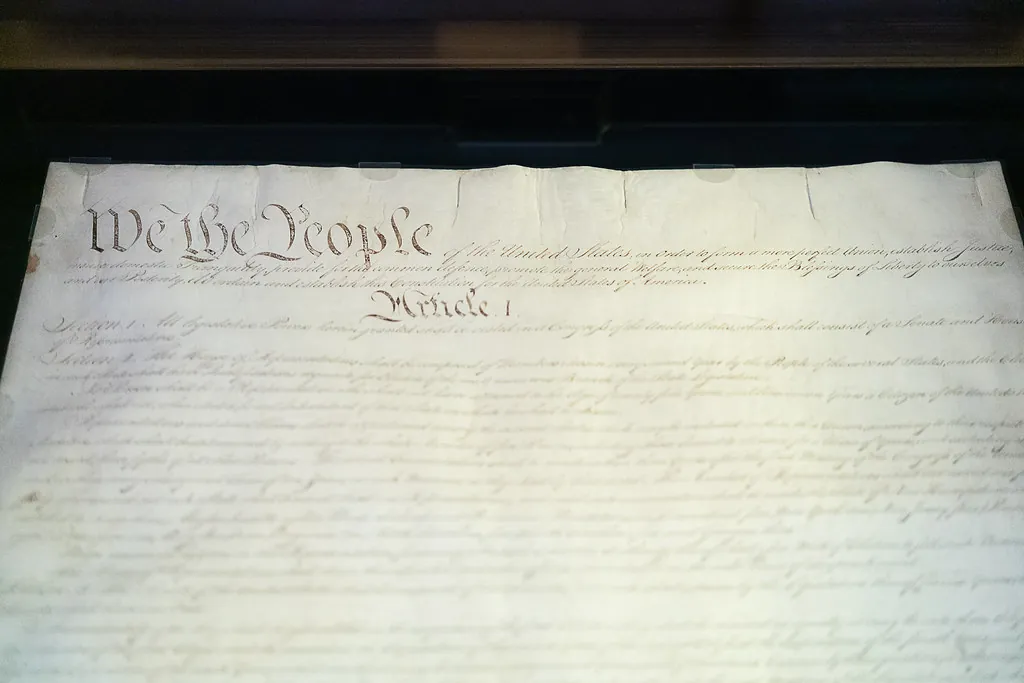
A constitutional conservative is a person who emphasizes fidelity to the written Constitution as the foundation of American government. The phrase usually points to a few core ideas: government has limited, listed powers; the Bill of Rights protects individual liberties; and changes to the law should come through the amendment process or legislatures rather than reinterpretation.
In practice, the term is often paired with approaches to reading the Constitution such as originalism (understanding the text as it was commonly understood when adopted) and textualism (focusing on the words themselves). Not every constitutional conservative uses these labels the same way, and thoughtful people debate how they apply in specific situations.
The Second Amendment is often a central example. Its text reads, 'A well regulated Militia, being necessary to the security of a free State, the right of the people to keep and bear Arms, shall not be infringed.' Constitutional conservatives commonly point to this language when discussing the individual right to keep and bear arms.
How it’s traditionally been approached
The tradition draws on the founding era, including the Constitution's ratification and the adoption of the Bill of Rights. Writings from that period, such as the Federalist Papers, are frequently studied by those who want to understand how the framers thought about federal power, state authority, and individual rights.
In the courts, the Second Amendment has been addressed in cases such as District of Columbia v. Heller (2008), where the Supreme Court held that the amendment protects an individual right to possess a firearm unconnected with service in a militia, for traditionally lawful purposes such as self-defense in the home. McDonald v. City of Chicago (2010) held that this right applies to state and local governments through the Fourteenth Amendment.
New York State Rifle & Pistol Association v. Bruen (2022) held that the Constitution protects an individual's right to carry a handgun for self-defense outside the home, and that firearm regulations are evaluated by looking to the nation's historical tradition of firearm regulation. Courts continue to work through how these decisions apply, and laws differ by state and change over time.
How the right 2A business may help
Understanding constitutional principles is one thing; knowing how they apply to your own situation is another. A 2A legal protection provider may help bridge that gap by offering access to legal resources, attorney networks, or plans designed for lawful gun owners. What they offer varies widely, so it is worth learning exactly what a given provider does and does not cover.
A first conversation with a provider is generally informational. You might expect to hear how their service works, what kinds of situations it is designed for, and how you would reach an attorney if you needed one. It is not a substitute for personal legal advice from a licensed attorney in your state.
Helpful questions to ask include: Which states do you serve? Are attorneys independent and licensed in my state? What is and is not covered? How do I contact someone, and how quickly? Are there exclusions or conditions I should read closely? Reading the written terms carefully before you decide is always wise.
The bigger picture
Learning the constitutional background behind your rights can bring a sense of confidence and steadiness. Knowing the history and the court decisions in your own words often makes it easier to stay calm, make thoughtful choices, and talk about these topics respectfully with family and neighbors.
There is also a practical side. Legal questions can carry financial and emotional weight, so some people prefer to plan ahead and understand their options before they ever need them. If budgeting for that kind of peace of mind is on your mind, Providers.plus may be a helpful place to explore related resources.
Keep in mind
- 2A Digital is an independent directory and educational resource, not a law firm or professional advisor, and nothing here is legal advice.
- Firearm laws vary by state and locality and change over time, so confirm current rules with a licensed attorney or official state resources.
- Court decisions are described here factually; how they apply to any specific situation is a question for a qualified attorney.
- Safety comes first: store firearms securely, follow all applicable laws, and seek proper training.
Not sure where to start? Answer a few gentle questions and choose who you’d like to hear from.
Read this month's issue →Frequently asked questions
What does constitutional conservative mean?
A constitutional conservative is someone who believes government should operate within the limits of the written U.S. Constitution, as originally understood. The term is often associated with limited federal power, respect for the Bill of Rights, and change through the formal amendment process. People who use the label may differ on details.
Is a constitutional conservative the same as an originalist?
Not necessarily, though the ideas often overlap. Originalism is a method of interpreting the Constitution based on its original public meaning, while constitutional conservative describes a broader outlook on government and rights. Someone may identify with one, both, or neither.
How does a constitutional conservative view the Second Amendment?
Many constitutional conservatives read the Second Amendment as protecting an individual right to keep and bear arms. They often cite District of Columbia v. Heller (2008) and New York State Rifle & Pistol Association v. Bruen (2022) as important decisions. Others interpret the amendment and these cases differently.
What court cases are important to Second Amendment rights?
Key Supreme Court cases include District of Columbia v. Heller (2008), McDonald v. City of Chicago (2010), and New York State Rifle & Pistol Association v. Bruen (2022). Heller recognized an individual right, McDonald applied it to the states, and Bruen addressed carrying handguns outside the home. Confirm current law with a licensed attorney.
Can a 2A legal protection provider help me understand my rights?
It may. Some providers offer educational resources or access to attorney networks for lawful gun owners, though services differ. They are not a replacement for personal legal advice, so ask what is covered and speak with a licensed attorney about your situation.
Where can I learn more about the Constitution?
Start with the Constitution's text itself, including the Bill of Rights, and read the Federalist Papers for founding-era context. Official government and court websites also publish Supreme Court opinions. For how laws apply in your state, consult a licensed attorney or official state resources.
Educational resource. 2A Digital shares general information and connects people with independent 2A businesses. It is not professional advice. Talk with a qualified professional about your own situation.