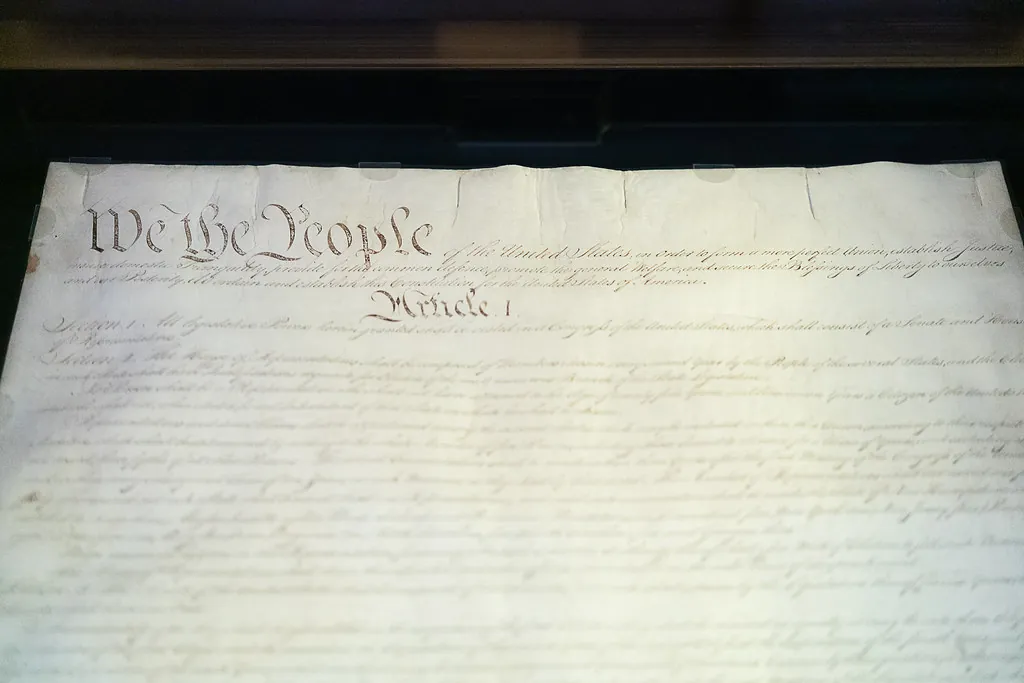
What it is
The Bill of Rights is the name given to the first ten amendments to the United States Constitution. They were proposed by the first Congress and ratified by the states, and they spell out protections for individuals and limits on government power. Subjects include speech, religion, the press, arms, searches, trials, and powers reserved to the states and the people.
The history begins with the debate over ratifying the Constitution itself. Some Americans, often called Federalists, believed the structure of the new government was protection enough. Others, often called Anti-Federalists, wanted explicit written guarantees. That discussion, along with earlier English legal traditions and colonial experience, shaped what became the amendments.
James Madison played a leading role in drafting the proposals in Congress. The Second Amendment, which reads, "A well regulated Militia, being necessary to the security of a free State, the right of the people to keep and bear Arms, shall not be infringed," is one part of this larger package. Understanding the whole helps readers see the amendment in its historical setting.
How it’s traditionally been approached
Traditionally, students of this history have turned to primary sources: the text of the Constitution, the amendments, state ratifying conventions, and writings from the founding era such as the Federalist and Anti-Federalist papers. Reading these documents directly is a time-honored way to understand what the founding generation debated.
Courts have also shaped how the Bill of Rights is understood. In District of Columbia v. Heller (2008), the Supreme Court held that the Second Amendment protects an individual right to possess a firearm for traditionally lawful purposes such as self-defense in the home. In McDonald v. City of Chicago (2010), the Court held that this right applies to state and local governments through the Fourteenth Amendment. In New York State Rifle & Pistol Association v. Bruen (2022), the Court addressed public carry and discussed the role of historical tradition in evaluating firearm regulations.
People have approached the subject in different ways: through books, museum visits, civic classes, historical reenactments, and discussion groups. Scholars and citizens sometimes disagree about interpretation, and a respectful reading of the record means understanding the arguments on more than one side before drawing conclusions.
How the right 2A business may help
Learning the history is one thing; understanding how it applies to your own circumstances is another. A 2A legal protection provider, such as a licensed attorney or a legal-plan service focused on firearm owners, may help connect constitutional principles to the laws of your state. This is a possibility, not a promise of any outcome.
A first conversation is generally an opportunity to learn how a provider works. You might expect them to explain what services they offer, how they approach questions about firearm laws, and what they can and cannot do. Providers typically cannot guarantee results, and they are not a substitute for personal legal advice from a licensed attorney.
Useful questions to ask include: Are you licensed in my state? How do you stay current on changing firearm laws? What does your service cover, and what does it exclude? How are fees or membership terms explained in writing? Bringing questions like these can help you compare options calmly and choose what fits your situation.
The bigger picture
Understanding the foundations of your rights can bring a sense of confidence and peace of mind. Knowing the history may help you take part in civic life thoughtfully, talk with neighbors respectfully, and approach responsibility with a clear head. Many people find that study and reflection are grounding, whatever their viewpoint.
There is a practical side too. Legal questions can be stressful and costly, so some people like to plan ahead and know where to turn for qualified guidance. If planning for protection and financial wellbeing is on your mind, Providers.plus is one place to explore related resources. Every approach to learning and preparation has its place, and the right one is personal.
Keep in mind
- This page is educational only. 2A Digital is an independent directory, not a legal or professional advisor.
- Firearm laws vary by state and locality and change over time, so confirm current rules with a licensed attorney or official state resources.
- Safety comes first with any firearm topic: follow safe handling practices and lawful ownership requirements.
- Court decisions describe what courts have held; they do not predict future rulings or replace advice about your own situation.
Not sure where to start? Answer a few gentle questions and choose who you’d like to hear from.
Read this month's issue →Frequently asked questions
What is the Bill of Rights?
The Bill of Rights is the first ten amendments to the U.S. Constitution. They protect individual liberties and limit government power. They were proposed by the first Congress and ratified by the states.
Why was the Bill of Rights added to the Constitution?
It was added largely because many Americans wanted explicit written protections for individual rights before accepting the new national government. Debates between Federalists and Anti-Federalists during ratification helped bring about the amendments. James Madison guided the proposals through Congress.
Where does the Second Amendment fit into bill of rights history?
The Second Amendment is one of the ten amendments in the Bill of Rights, protecting the right of the people to keep and bear arms. It reflects the founding generation's views on liberty, the militia, and the people's relationship to government. Reading it alongside the other amendments gives helpful context.
What did the Supreme Court say about the Second Amendment in Heller?
In District of Columbia v. Heller (2008), the Supreme Court held that the Second Amendment protects an individual right to possess a firearm for traditionally lawful purposes such as self-defense in the home. The Court also noted that the right is not unlimited. Readers should consult a licensed attorney about how this applies to them.
Does the Bill of Rights apply to state governments?
Over time, the Supreme Court has held that most Bill of Rights protections apply to the states through the Fourteenth Amendment. For the Second Amendment, McDonald v. City of Chicago (2010) reached that conclusion. State laws still vary, so confirm local rules with official resources.
Can a 2A legal protection provider help me understand my rights?
A 2A legal protection provider may help you understand how firearm laws apply in your state, depending on the services they offer. They cannot guarantee outcomes, and offerings differ. Ask about licensing, coverage, and limits before deciding.
Educational resource. 2A Digital shares general information and connects people with independent 2A businesses. It is not professional advice. Talk with a qualified professional about your own situation.