Firearm safety & training
Stop. Don't Touch. Leave. Tell.
Children are curious. A simple, repeated safety message — and safe storage at home — protects them.
2A Digital · March 2026 issue ·
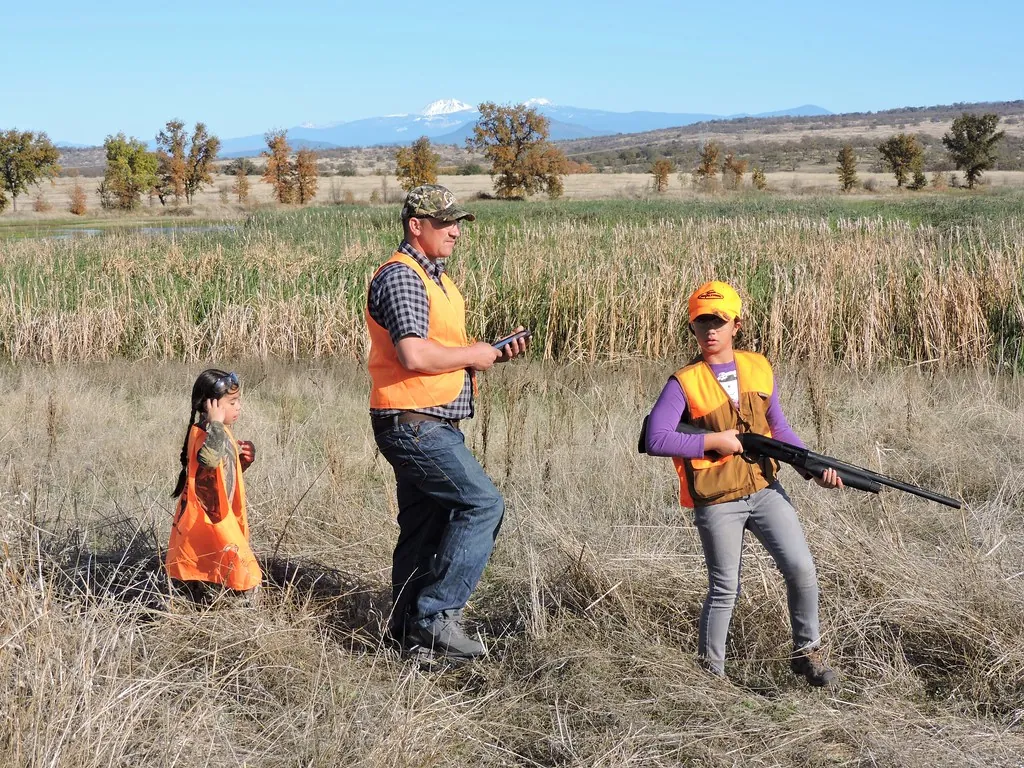
Whether or not your family owns firearms, your children may one day encounter one at a friend's house, in a park or in a parked car. Many youth safety programs teach the same simple message for that moment: stop, don't touch, leave the area and tell an adult right away.
Keep the message short and practice it. Young children learn through repetition and role-play. Ask them what they would do if they found a firearm, and praise the right answer. Remind them that a firearm in real life is nothing like one in a movie or video game.
Curiosity is natural, and taking the mystery away helps. Many parents choose to show an older child an unloaded firearm under close supervision, explaining the safety rules, so that curiosity is satisfied in a safe setting rather than in secret.
As children grow and show maturity, formal instruction from a qualified youth program or instructor can teach the universal rules: treat every firearm as if it is loaded, never point it at anything you are not willing to destroy, keep your finger off the trigger until ready to shoot, and know your target and what is beyond it.
None of this replaces secure storage. Firearms at home should be stored locked and inaccessible to children, with ammunition stored separately where practical. Some states have specific storage laws; check your state's official resources.
It is also reasonable to ask other parents whether there are firearms in a home where your child will visit, and how they are stored. Asked politely, it is a safety question like asking about a pool or a pet.
Stop, don't touch, leave the area and tell an adult — a simple message, practiced often.
Educational content only — not legal advice. Laws on firearms, carry, transport and self-defense vary by state and change; confirm current rules with a licensed attorney or official state resources. Always follow the universal firearm safety rules and train with a qualified instructor.