Hunting & outdoors
Gobbler Season Starts in the Classroom
Spring turkey hunting is a rite of the season. Preparation — and hunter education — make it safe.
2A Digital · March 2026 issue ·
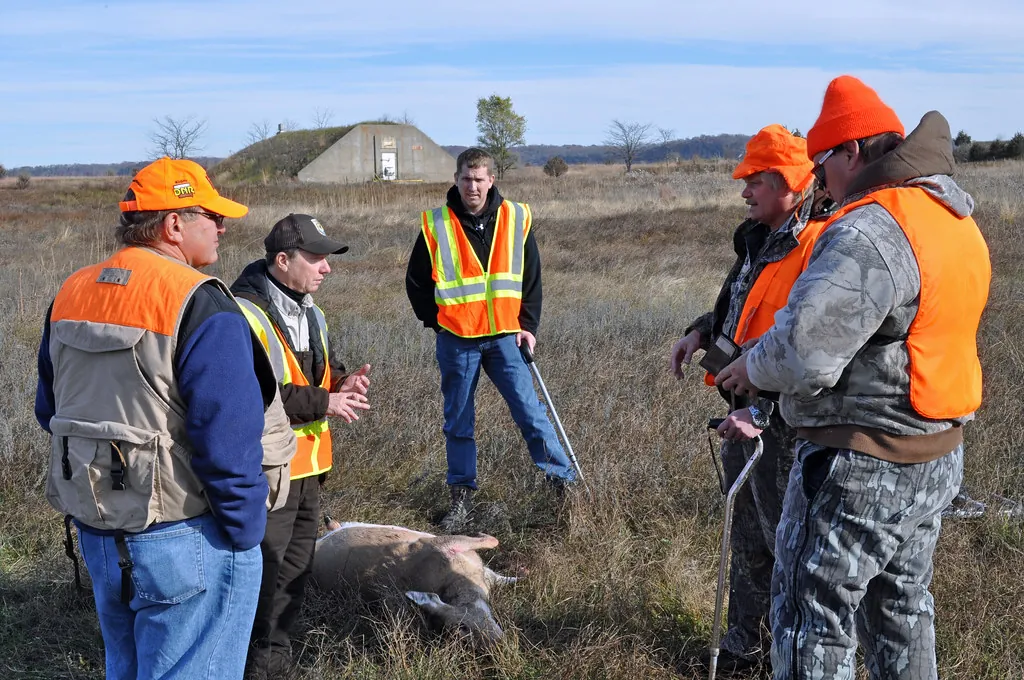
Spring turkey seasons open across much of the country between March and May, depending on the state. Wild turkeys are one of the great conservation success stories of American hunting: restored across their range through decades of work by state wildlife agencies and hunters.
Turkey hunting has particular safety considerations. Hunters wear camouflage, sit still and use calls that imitate turkeys, which means another hunter may approach the sound. Never stalk a gobble or a call. Never wear red, white, blue or black — the colors of a gobbler's head and body — and be certain of your target before every shot.
Many experienced turkey hunters sit with their back against a tree wider than their shoulders, which protects them from behind, and carry blaze orange to wear while walking in and out. If you see another hunter approaching, call out in a clear voice rather than waving or moving.
If you are new, start with your state's hunter education course. Most states require it for hunters born after a certain date, and courses cover firearm safety, ethics, wildlife identification and the law. Many are available partly online, followed by an in-person field day.
Before the season, scout during the day for roosting areas and tracks, pattern your shotgun at the range, and read your state's regulations for season dates, bag limits, tagging and legal hours. Every state is different, and rules change from year to year.
Never stalk a gobble or a call — be certain of your target before every shot.
Educational content only — not legal advice. Laws on firearms, carry, transport and self-defense vary by state and change; confirm current rules with a licensed attorney or official state resources. Always follow the universal firearm safety rules and train with a qualified instructor.