Constitutional history
Two Clauses, One Sentence
The Second Amendment's grammar has been argued over for two centuries. Here is how the pieces fit.
2A Digital · March 2026 issue ·
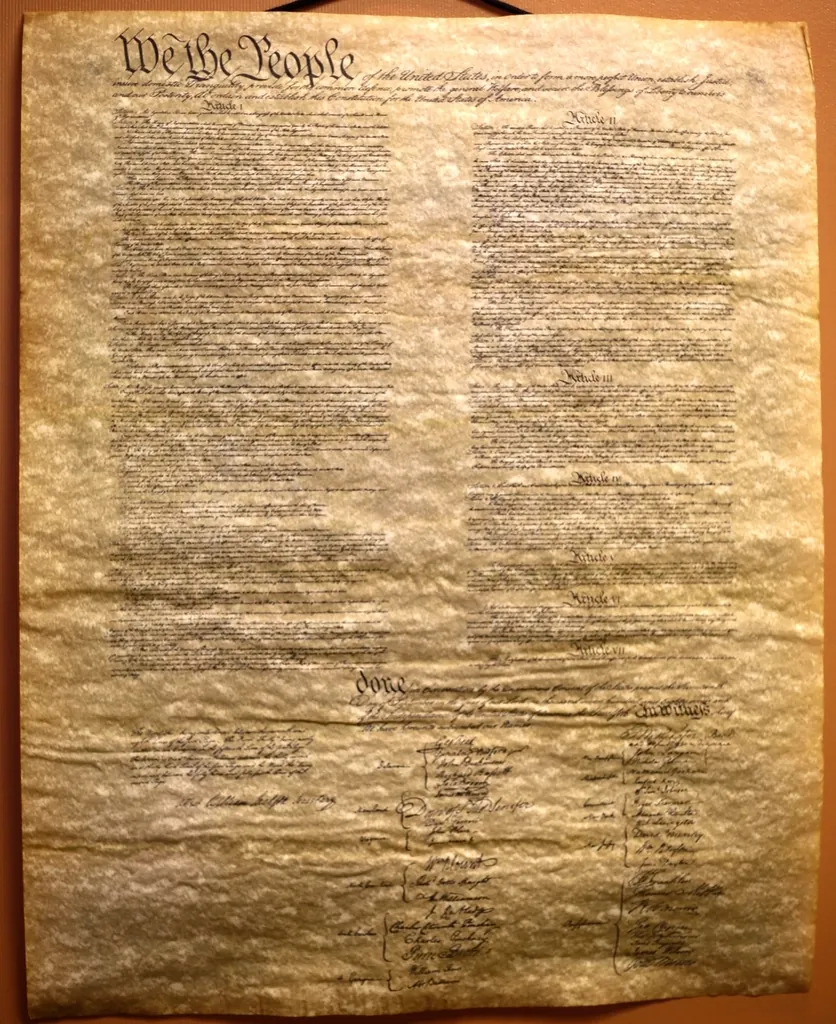
The Second Amendment is a single sentence: "A well regulated Militia, being necessary to the security of a free State, the right of the people to keep and bear Arms, shall not be infringed." Scholars commonly divide it into two parts. The first part, about the militia, is often called the prefatory clause. The second, about the right of the people, is called the operative clause.
Founding-era legal writing frequently used a preamble to announce a purpose before stating a command. The question is how the two relate. One reading holds that the purpose limits the right, so that it protects arms only in connection with militia service. The other holds that the purpose explains why the right was codified but does not restrict who holds it.
The phrase "the right of the people" appears elsewhere in the Bill of Rights, including the First Amendment's right to assemble and the Fourth Amendment's protection against unreasonable searches. In those places it is understood to refer to individuals. Supporters of the individual-right reading point to that consistency.
History matters too. The English Bill of Rights of 1689 recognized that Protestant subjects "may have Arms for their Defence suitable to their Conditions and as allowed by Law." Several early state constitutions protected the right of citizens to bear arms in defense of themselves and the state. The founding generation inherited those traditions.
In 2008, the Supreme Court addressed the grammar directly in District of Columbia v. Heller, concluding that the prefatory clause announces a purpose but does not limit the operative clause. Understanding the two clauses is the first step to understanding that decision.
The purpose explains why the right was written down — it does not decide who holds it.
Educational content only — not legal advice. Laws on firearms, carry, transport and self-defense vary by state and change; confirm current rules with a licensed attorney or official state resources. Always follow the universal firearm safety rules and train with a qualified instructor.