2A law & court cases
Heller: The Individual Right, Confirmed
In 2008 the Supreme Court held for the first time that the Second Amendment protects an individual right to keep and bear arms. A follow-up in 2016 applied that reasoning to modern arms.
2A Digital · March 2026 issue ·
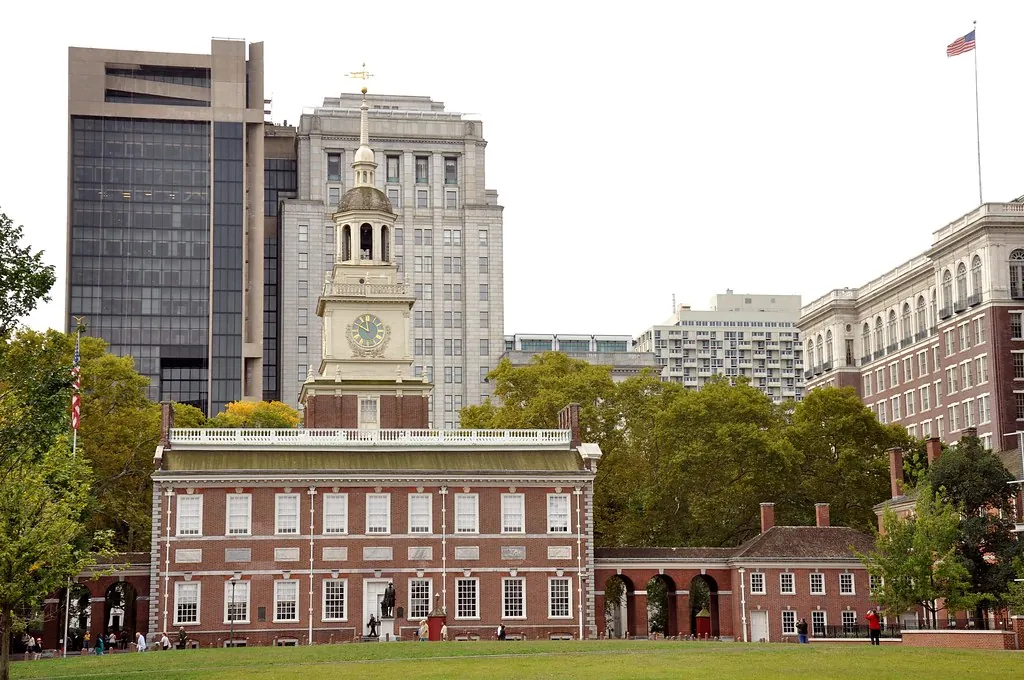
District of Columbia v. Heller arose from the District's laws that generally banned handgun possession in the home and required other firearms kept at home to be disassembled or trigger-locked. A District resident who wanted to keep a handgun at home for self-defense challenged the laws.
In June 2008 the Court ruled 5–4 that the Second Amendment protects an individual right to possess a firearm, unconnected with service in a militia, and to use it for traditionally lawful purposes such as self-defense within the home. The majority concluded that the District's handgun ban and its requirement that firearms at home be kept inoperable violated that right.
The Court called handguns the quintessential self-defense weapon and noted that the home is where the need for defense of self, family and property is most acute. It also read United States v. Miller (1939) as a case about which weapons are protected, explaining that the Amendment extends to arms in common use for lawful purposes.
The decision was careful to say the right is not unlimited. The opinion stated that it should not be read to cast doubt on longstanding prohibitions on possession by felons and the mentally ill, laws forbidding firearms in sensitive places such as schools and government buildings, or conditions on commercial sale. It also referred to the historical tradition of prohibiting dangerous and unusual weapons.
Because the District of Columbia is a federal enclave, Heller left open whether the Second Amendment also limits state and local governments. That question was answered two years later in McDonald v. City of Chicago (2010).
In 2016 the Court decided Caetano v. Massachusetts in a short unsigned opinion. A state court had upheld a ban on stun guns partly because such devices did not exist at the founding. The Supreme Court vacated that ruling, explaining that, under Heller, the Second Amendment extends to all instruments that constitute bearable arms, even those that were not in existence at the time of the founding.
Together, Heller and Caetano set out the core framework later refined in New York State Rifle & Pistol Association v. Bruen (2022): an individual right, covering bearable arms in common use, subject to limits grounded in history. How those principles apply to any particular law is decided case by case, and state laws differ. For any question about your own situation, consult a licensed attorney.
The Amendment extends to all instruments that constitute bearable arms, even those not in existence at the founding.
Educational content only — not legal advice. Laws on firearms, carry, transport and self-defense vary by state and change; confirm current rules with a licensed attorney or official state resources. Always follow the universal firearm safety rules and train with a qualified instructor.