Firearm safety & training
Up the Tree, Home for Supper
Falls from elevated stands are a serious and preventable hunting hazard. Add blaze orange and a few firm habits, and the whole season gets safer.
2A Digital · October 2026 issue ·
Hunter education instructors return to the same message every fall: treat a tree stand like the serious equipment it is. Most stand accidents happen while climbing up or down, or while getting in and out of the stand, and nearly all are preventable.
Wear a full-body safety harness, also called a fall-arrest system, and stay connected from the moment your feet leave the ground until they are back on it. A lifeline running from the base of the tree to above the stand lets you remain attached while climbing.
Never climb with a firearm or bow. Use a haul line to raise and lower your equipment, and make sure a firearm is unloaded, with the action open, before it leaves the ground. Keep the muzzle pointed away from you as it comes up.
Inspect stands, straps and steps before every season and before each hunt. Sun, weather and squirrels wear down straps; replace anything that looks frayed or damaged, and follow the manufacturer’s instructions and weight limits.
Maintain three points of contact while climbing, take your time in the dark and in wet or icy conditions, and tell someone exactly where you will be and when you will be back. Carry a charged phone where you can reach it even if you are suspended in your harness.
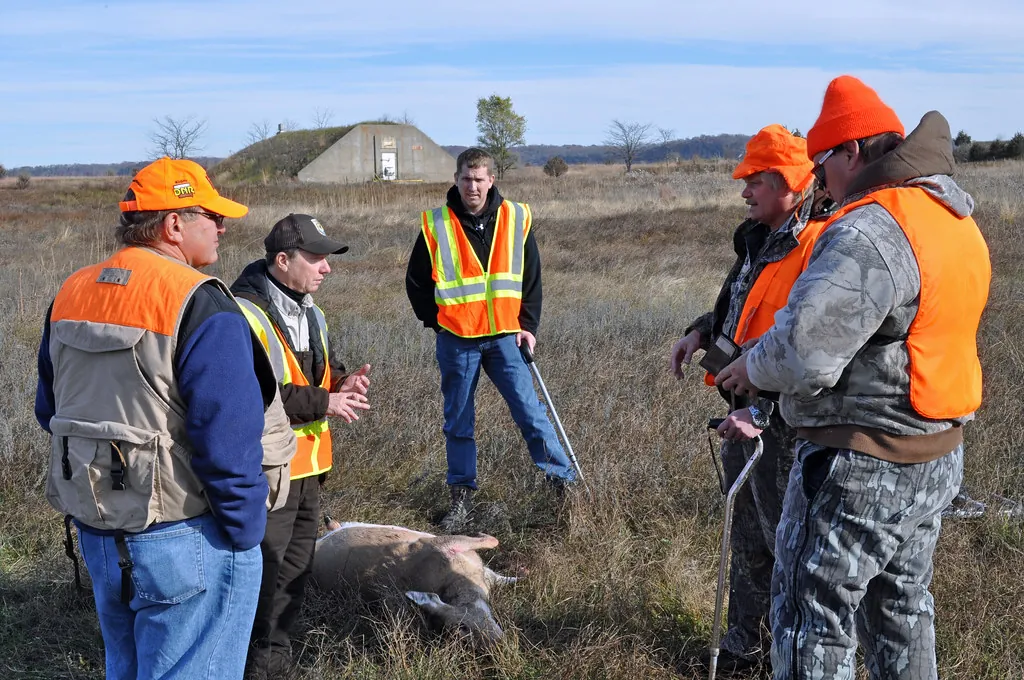
On the ground, blaze orange is your best friend. Many states require a minimum amount of fluorescent orange for certain seasons, often on a hat and upper body. Even where it is not required, it makes you visible to other hunters while doing little to alert deer. Check your state’s rules for each season you hunt.
Finally, positively identify your target and what lies beyond it before every shot — every time, no exceptions. No animal is worth a mistake that cannot be undone.
Stay connected from the moment your feet leave the ground until they are back on it.
Educational content only — not legal advice. Laws on firearms, carry, transport and self-defense vary by state and change; confirm current rules with a licensed attorney or official state resources. Always follow the universal firearm safety rules and train with a qualified instructor.