Self-defense education
Eyes Open at the Trailhead
Hunting season means pre-dawn drives, remote parking areas and gear left in vehicles. Simple awareness habits keep you and your property safer.
2A Digital · October 2026 issue ·
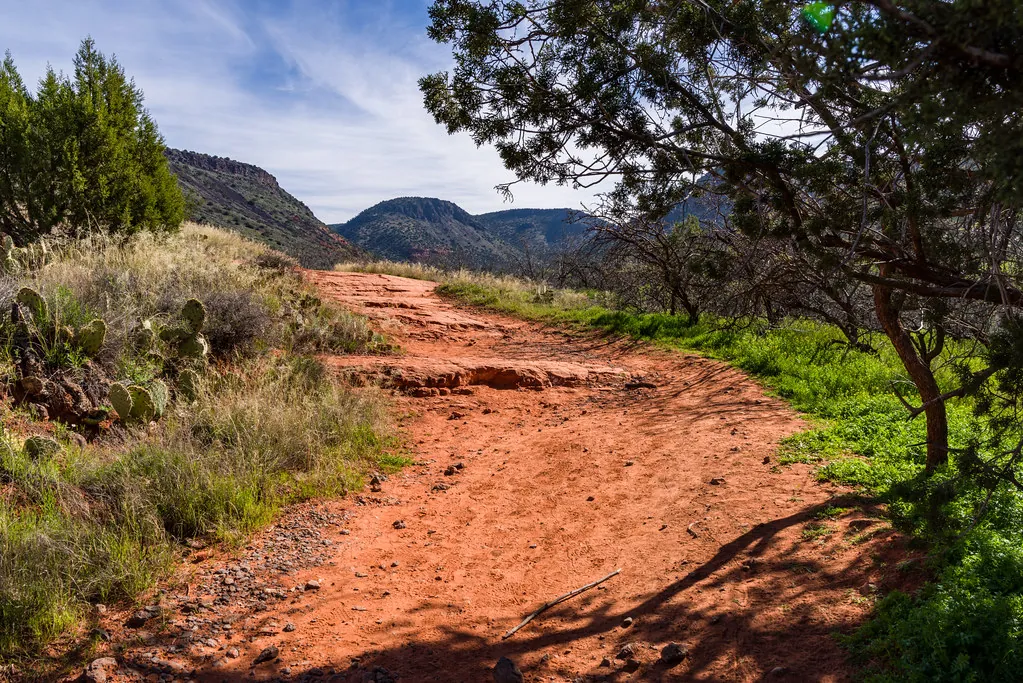
Personal safety starts with paying attention. The habits that protect you in a parking lot in town — noticing who is around, keeping your head up rather than buried in a phone and trusting your instincts when something feels wrong — work just as well at a trailhead before sunrise.
Plan your trip. Tell someone where you are going, which access point you will use and when you expect to return. Keep your vehicle fueled, carry a spare, and know where the nearest help is in case of a breakdown or injury.
Vehicles at remote trailheads can attract theft. Keep valuables out of sight, lock the doors and never leave a firearm unattended in a vehicle where it could be stolen. Some states have specific laws on storing firearms in vehicles; learn yours from official sources.
If you meet someone whose behavior worries you, the best response is usually distance. Keep your interactions short and polite, avoid arguments over parking spots or hunting areas, and leave if a situation escalates. Report genuine threats to law enforcement or a game warden.
Disputes between hunters over land and access do happen. The calm, courteous hunter who walks away from a confrontation keeps the day — and the sport’s reputation — intact. When in doubt, call the landowner or the wildlife agency rather than settling it yourself.
The calm, courteous hunter who walks away from a confrontation keeps the day intact.
Educational content only — not legal advice. Laws on firearms, carry, transport and self-defense vary by state and change; confirm current rules with a licensed attorney or official state resources. Always follow the universal firearm safety rules and train with a qualified instructor.