Constitutional history
How Hunters Saved American Wildlife
A century ago, many of America’s most familiar game animals were scarce across much of their range. Their recovery is one of the great conservation stories in the world — and hunters paid for much of it.
2A Digital · October 2026 issue ·
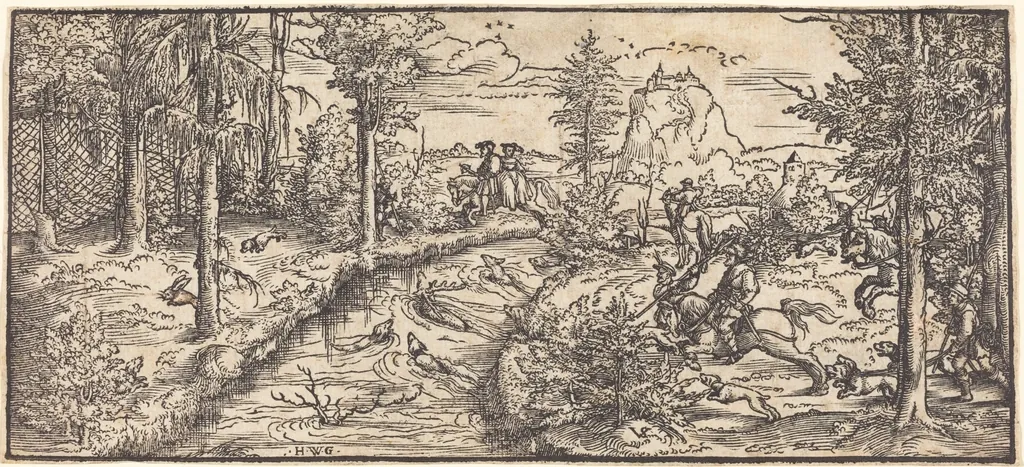
By the end of the nineteenth century, unregulated market hunting and habitat loss had pushed many American species into steep decline. Animals that are common sights today, from white-tailed deer to wild turkeys and many waterfowl, had become rare or vanished from large parts of the country.
The response came largely from sportsmen. Hunters and anglers pushed for game laws, seasons and bag limits, and for an end to the commercial trade in wild game. The Lacey Act of 1900 made it a federal offense to ship illegally taken wildlife across state lines, giving state game laws real teeth.
In 1934, Congress created the Federal Duck Stamp, a stamp waterfowl hunters must buy, with proceeds directed toward acquiring and protecting wetland habitat. Collectors and conservationists buy the stamp too, and the refuges it has helped secure benefit countless species that are never hunted.
Then came the landmark. The Federal Aid in Wildlife Restoration Act of 1937, known as the Pittman–Robertson Act, dedicated an existing federal excise tax on sporting firearms and ammunition to wildlife restoration. The money is apportioned to state wildlife agencies, which put up matching funds of their own.
Sportsmen supported the arrangement because the money was protected for its purpose. Over the decades it has paid for habitat, research, wildlife management and hunter education programs in every state. Later laws extended the idea to archery equipment and, through a companion act, to sport fishing.
Out of this history grew what wildlife professionals call the North American Model of Wildlife Conservation. Its principles include treating wildlife as a public trust held for all citizens, managing it through law and sound science, and allowing hunting only for legitimate purposes under regulated seasons.
The model also gives hunters a distinctive role. Every license, tag, stamp, box of ammunition and new firearm purchased for sport contributes to the system that keeps wildlife abundant — including for millions of Americans who will never hunt.
So this fall, when you buy your license and check your tags, you are taking part in a tradition that stretches back nearly a century. The animals you see on opening morning are, in a real sense, a legacy that hunters built.
The animals you see on opening morning are a legacy that hunters built.
Educational content only — not legal advice. Laws on firearms, carry, transport and self-defense vary by state and change; confirm current rules with a licensed attorney or official state resources. Always follow the universal firearm safety rules and train with a qualified instructor.