Hunting & outdoors
Summer Scouting and the Conservation Season
Fall hunts are won in the summer. Long days are perfect for scouting, habitat work and learning the land — and for giving back to it.
2A Digital · June 2026 issue ·
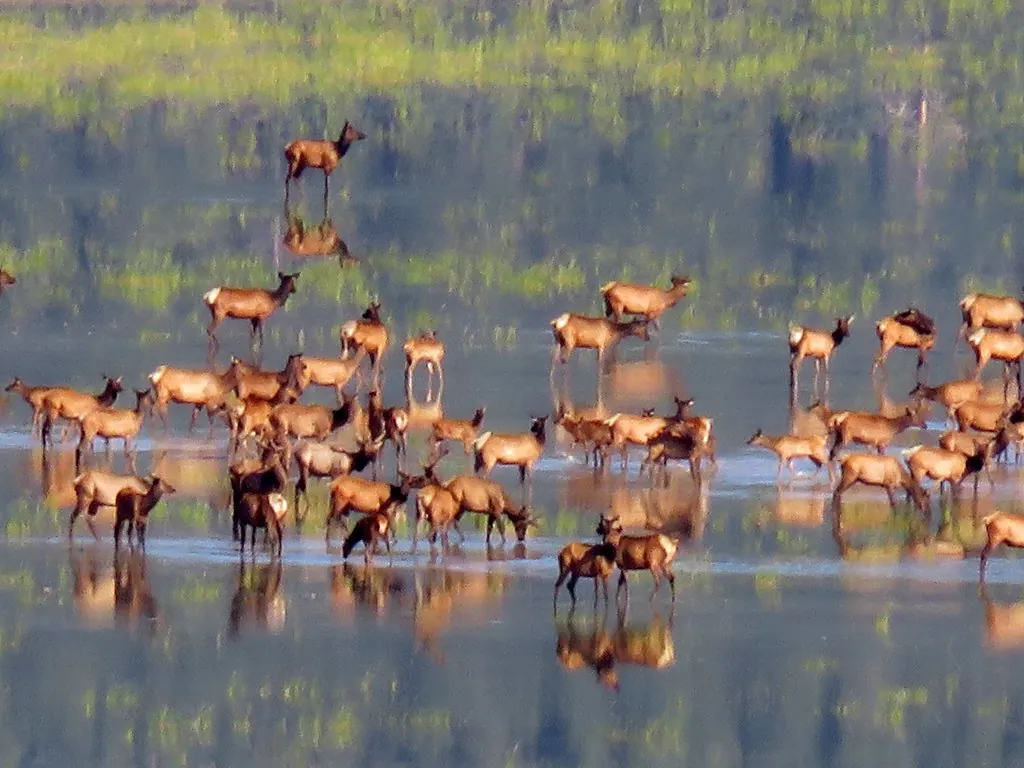
Experienced hunters often say the season starts long before opening day. Summer is when deer, elk and other game establish patterns around food and water, and when a hunter can learn a piece of ground on foot without disturbing anything that matters in the fall.
Scouting is also a fine family activity. Walk field edges and creek bottoms, look for tracks and trails, glass meadows at dawn and dusk from a distance, and take notes. Respect private property lines, obtain permission before entering private land, and know the rules for any public land you visit.
Summer is the season for conservation work, too. Many wildlife agencies and sportsmen's organizations run habitat projects — planting food plots, clearing invasive brush, building nesting structures or cleaning up public land — and they welcome volunteers. It is a direct way to give back to the resources hunters depend on.
Hunters already contribute in another way. Since the Pittman–Robertson Act of 1937, federal excise taxes on firearms and ammunition have been directed to state wildlife restoration and hunter education. Along with license fees and the Federal Duck Stamp program begun in 1934, that user-pays model remains one of the great success stories in American conservation.
Use the summer to check regulations as well. Seasons, tag drawings, application deadlines and hunter education requirements vary by state and change from year to year. Mark the dates now so nothing sneaks up on you in September.
Fall hunts are won in the summer — and summer is the season to give back to the land.
Educational content only — not legal advice. Laws on firearms, carry, transport and self-defense vary by state and change; confirm current rules with a licensed attorney or official state resources. Always follow the universal firearm safety rules and train with a qualified instructor.