Gear guides
Protect Your Eyes and Ears: A Feature Guide
Eye and ear protection are required at every responsible range. Here is what to look for in each category — no brand claims, just features.
2A Digital · June 2026 issue ·
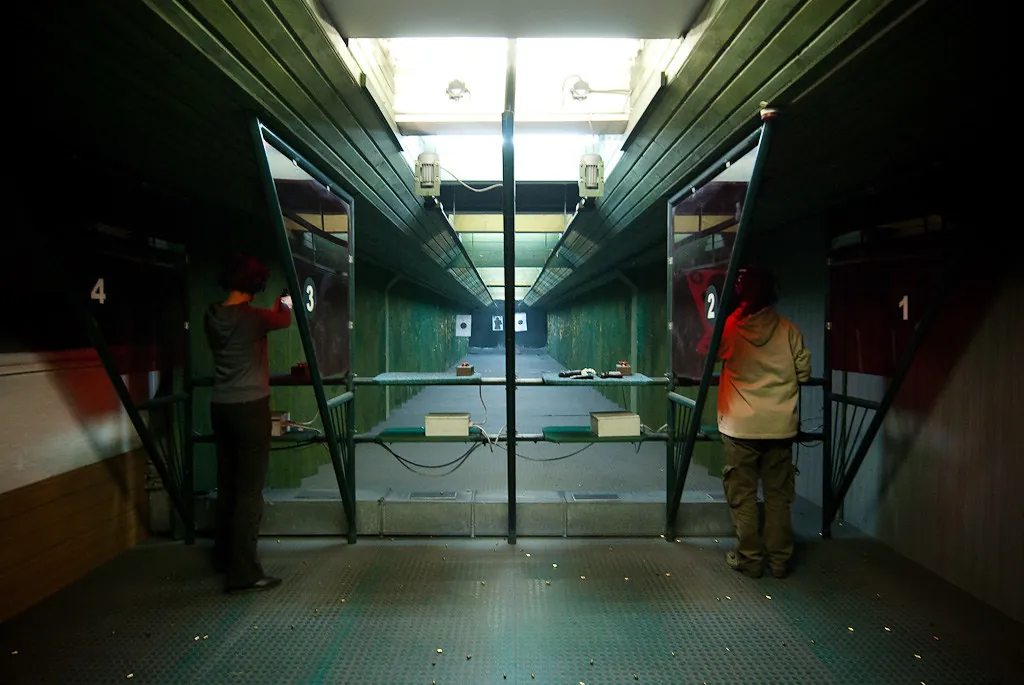
Shooting glasses should be impact-rated, not ordinary sunglasses. Look for lenses marked as meeting a recognized impact-safety standard, wraparound coverage that protects from the side, and a comfortable fit that stays put under a hat and alongside ear protection. Prescription-compatible options and inserts are widely available.
Lens tint matters. Clear lenses are best indoors and in low light; amber, yellow or orange tints can boost contrast outdoors; gray or smoke lenses reduce glare in bright sun. Interchangeable-lens kits give flexibility for different ranges and times of day.
Hearing protection comes in two main styles. Earplugs — foam, molded or custom-fitted — are compact and inexpensive. Earmuffs are easy to put on and off. Many shooters wear both together on indoor ranges, where noise is especially intense. Check the product's noise reduction rating and, more importantly, wear it correctly.
Electronic earmuffs amplify quiet sounds such as conversation and range commands while blocking loud reports. They are popular with instructors, hunters and anyone who wants to hear what is happening around them. Consider battery life, comfort over long sessions and how the cups fit with your glasses.
Buy protection for guests and new shooters, too. Keeping a spare set of glasses and plugs in your range bag makes it easy to share safety with someone trying the sport for the first time.
Shooting glasses should be impact-rated — ordinary sunglasses are not a substitute.
Educational content only — not legal advice. Laws on firearms, carry, transport and self-defense vary by state and change; confirm current rules with a licensed attorney or official state resources. Always follow the universal firearm safety rules and train with a qualified instructor.