Constitutional history
How the Bill of Rights Reached the States
For most of the nation's history, the Bill of Rights restrained only the federal government. The Fourteenth Amendment changed that — slowly.
2A Digital · June 2026 issue ·
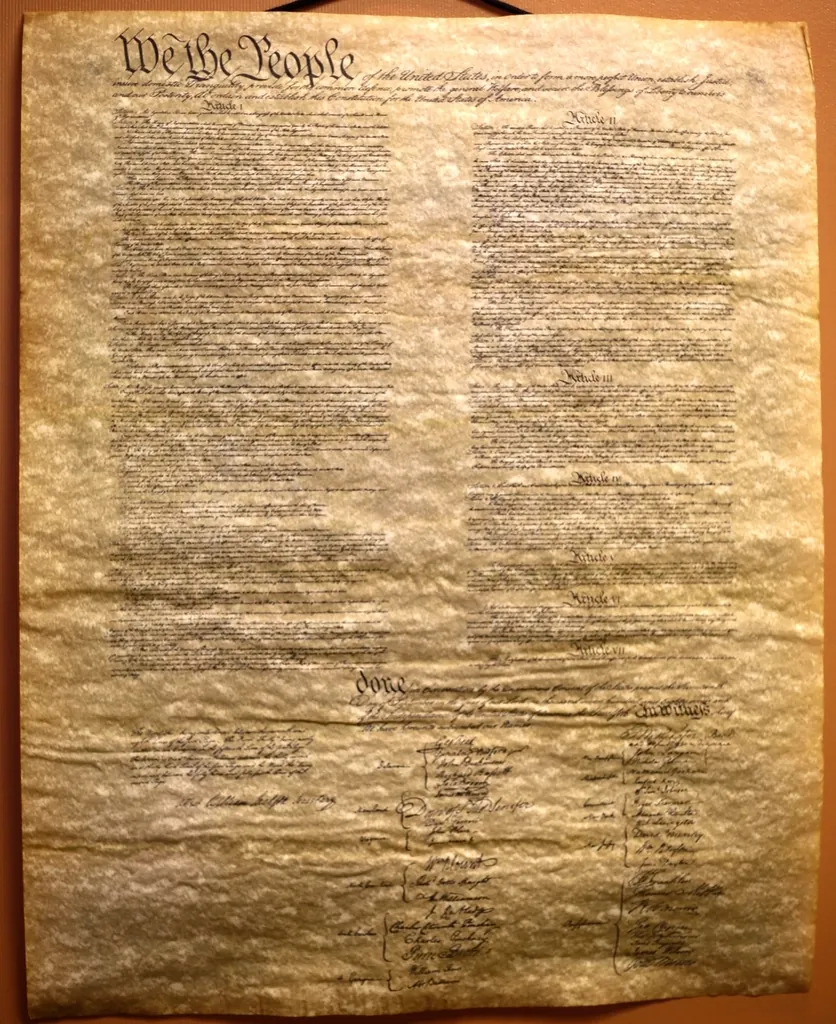
When the Bill of Rights was ratified in 1791, it was understood to limit the powers of the new national government. State governments were bound by their own constitutions and declarations of rights, many of which protected the right to bear arms in their own words. The federal Bill of Rights, the Supreme Court held in 1833, did not apply to the states.
The Civil War changed the constitutional landscape. Ratified in 1868, the Fourteenth Amendment forbade any state to abridge the privileges or immunities of citizens of the United States, to deprive any person of life, liberty or property without due process of law, or to deny any person the equal protection of the laws.
Congress debated the amendment against a backdrop of real abuses, including efforts in some states after the war to disarm freedmen. Many historians note that the right to keep and bear arms was frequently mentioned in those debates as one of the rights the amendment was meant to secure.
The Supreme Court, however, read the amendment narrowly at first. In United States v. Cruikshank (1876) and Presser v. Illinois (1886), the Court treated the Second Amendment as a limit on Congress alone. Those decisions stood for well over a century.
Over the twentieth century, the Court gradually held that most of the Bill of Rights applies to the states through the Fourteenth Amendment's Due Process Clause — a process called incorporation. Freedom of speech, the protections of criminal defendants and many others were incorporated case by case.
The Second Amendment was one of the last major provisions to be considered. That question finally reached the Court in McDonald v. City of Chicago (2010), which held that the right to keep and bear arms is incorporated against the states. The long road from 1868 to 2010 is one of the great stories of American constitutional history.
The long road from 1868 to 2010 is one of the great stories of American constitutional history.
Educational content only — not legal advice. Laws on firearms, carry, transport and self-defense vary by state and change; confirm current rules with a licensed attorney or official state resources. Always follow the universal firearm safety rules and train with a qualified instructor.