Constitutional history
From Decoration Day to Memorial Day
How a springtime custom of decorating soldiers' graves became one of the nation's most solemn holidays — and why it still matters in a republic of citizens.
2A Digital · May 2026 issue ·
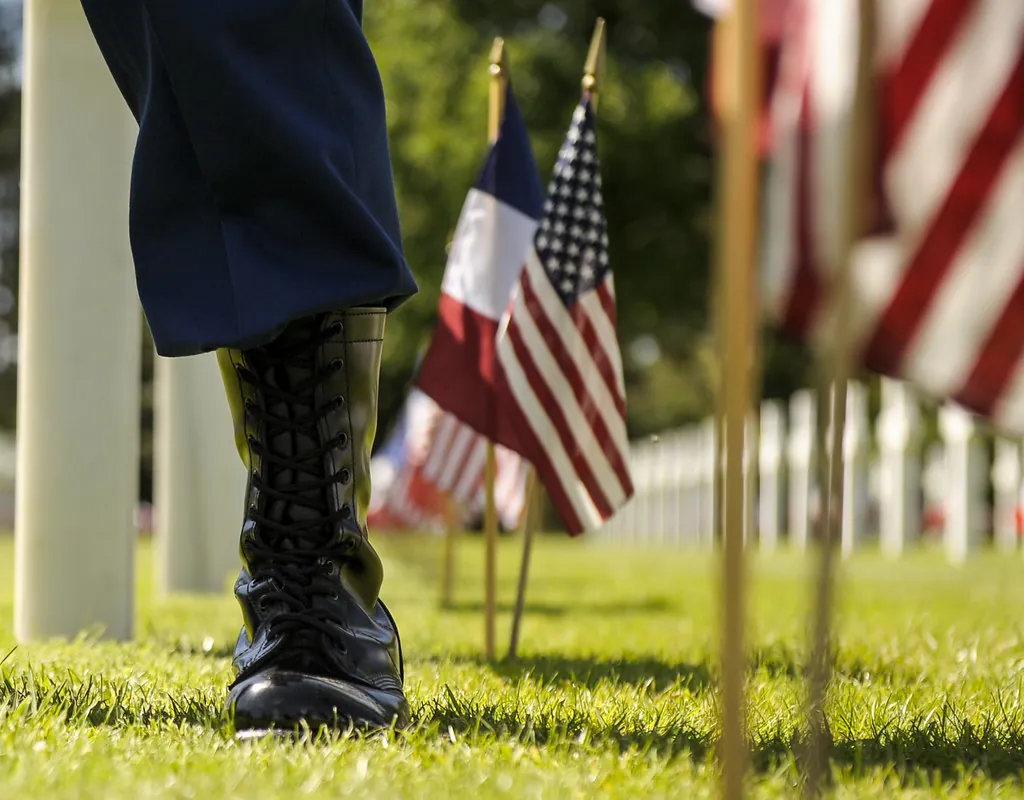
In the years after the Civil War, communities across the country began a quiet ritual: each spring, families and neighbors walked to the cemeteries and laid flowers on the graves of soldiers. Many towns claim to have held the first such observance, and historians generally agree the custom grew up in many places at once, in the North and the South, out of shared grief.
In 1868, a veterans' organization of Union soldiers called for a national day of decorating graves at the end of May. The date was chosen in part because flowers would be in bloom across much of the country. The observance became known as Decoration Day, and it spread steadily over the decades that followed.
After the First and Second World Wars, the day broadened to honor Americans who died in every conflict, not only the Civil War. The name Memorial Day came into common use, and in 1971 the holiday was moved to the last Monday of May under federal law, creating the long weekend Americans know today.
The founders understood that a free country depends on citizens willing to defend it. The Constitution's framers wrote of militias drawn from the people, and generations of Americans have answered the call to serve in uniform. Memorial Day honors those who gave everything in that service — not as an abstraction, but as names on stones in every county in the land.
Remembering them is part of the inheritance of liberty. The rights described in the Bill of Rights have endured because ordinary Americans were willing to protect the nation that guarantees them. This month, take a moment to learn the names of those from your own town who did not come home.
Memorial Day honors those who gave everything — not as an abstraction, but as names on stones in every county in the land.
Educational content only — not legal advice. Laws on firearms, carry, transport and self-defense vary by state and change; confirm current rules with a licensed attorney or official state resources. Always follow the universal firearm safety rules and train with a qualified instructor.