Gear guides
Water and First Aid: Building a Summer Kit
Before the first hot range day or long hike, put together a kit that covers the basics. Here are the categories and features that matter — no brand names, just what to look for.
2A Digital · May 2026 issue ·
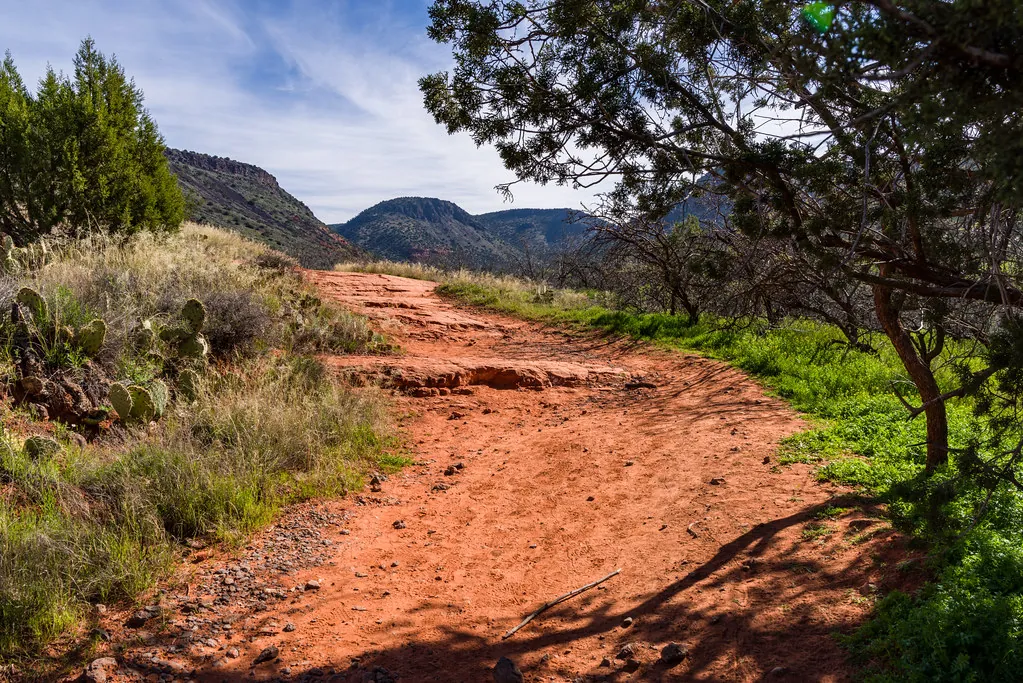
Hydration comes first. Insulated bottles keep water cool through a long session; hydration bladders in a pack make it easy to sip steadily on the trail. Whatever you choose, carry more than you think you need, and consider electrolyte mixes for long, hot days. A cooler in the vehicle is a simple backup.
A general first-aid kit should cover cuts, scrapes, blisters, burns, insect stings and minor sprains. Look for a durable, water-resistant case with clear compartments so you can find things quickly. Adhesive bandages, gauze, medical tape, antiseptic wipes, tweezers and an elastic wrap are the core.
Shooters and hunters often add trauma-oriented supplies for serious bleeding, such as pressure bandages and a commercially made tourniquet. These items are only as useful as your training: a certified first-aid or bleeding-control class teaches you when and how to use them, and many communities offer them at low cost.
Sun and heat gear belongs in the kit too: broad-spectrum sunscreen, a brimmed hat, a cooling towel and lip balm. Shade matters — a lightweight pop-up canopy can make an outdoor range or a lakeside afternoon far more comfortable.
Check the kit at the start of each season. Replace anything expired, used or water-damaged, and make sure everyone in your group knows where it lives. The best kit is the one you actually have with you.
Trauma supplies are only as useful as your training — take a certified first-aid class.
Educational content only — not legal advice. Laws on firearms, carry, transport and self-defense vary by state and change; confirm current rules with a licensed attorney or official state resources. Always follow the universal firearm safety rules and train with a qualified instructor.