Firearm safety & training
Dry Fire, Done Right
Practicing without live ammunition is one of the most useful habits a shooter can build — and one of the most important to do safely.
2A Digital · February 2026 issue ·
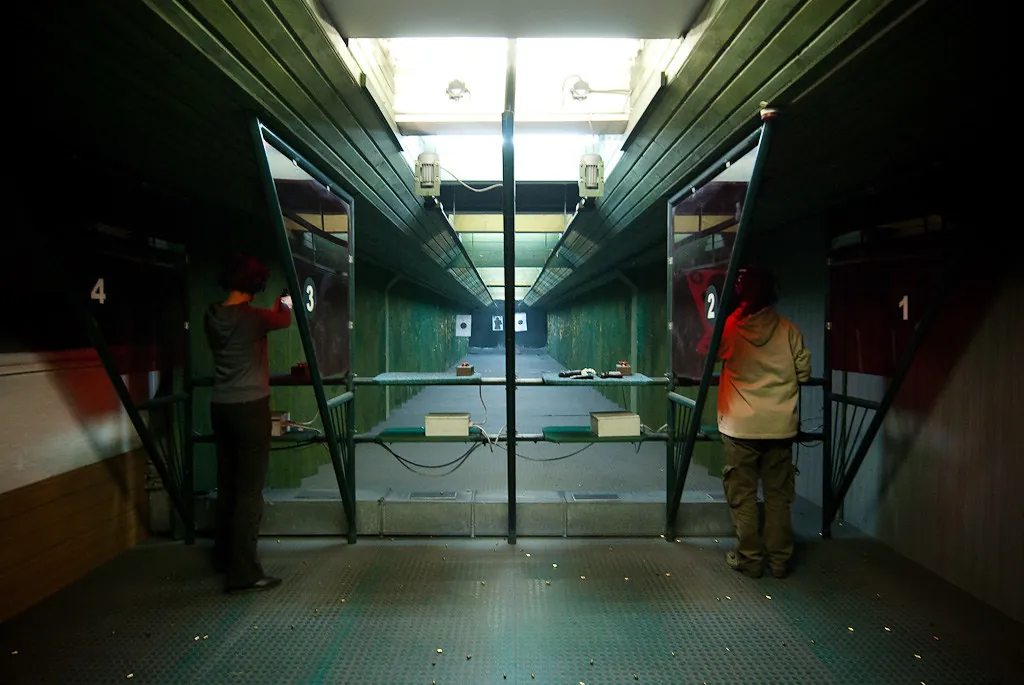
Dry-fire practice means working on fundamentals such as grip, sight alignment, trigger control and smooth presentation with an unloaded firearm. Many instructors recommend it because it builds skill without the cost, noise or travel of a range trip. It is also where careless habits can cause tragedy, so the routine around it matters as much as the practice itself.
Start by choosing a dedicated practice area and a safe direction: a backstop that would stop a round if something went wrong. A wall with nothing behind it but open air or a neighbor's home is not a safe direction. Many shooters use a purpose-made backstop or a solid exterior foundation wall.
Next, remove all ammunition from the room — not just from the firearm. Put it in another room entirely. Then check that the firearm is unloaded, visually and physically, and check it again. Some shooters use inert training cartridges or a chamber indicator as an extra visual cue.
Keep sessions short and focused. Fatigue leads to mistakes. Ten to fifteen minutes of deliberate work is more valuable than an hour of distracted repetition.
The most dangerous moment is the end. When practice is over, say out loud that you are finished, put the firearm away or follow your normal storage routine, and only then retrieve ammunition. Many accidents happen when someone reloads and then decides to do 'just one more' repetition.
Check whether your firearm's manufacturer says dry firing is safe for that model; some older designs and rimfire firearms can be damaged without snap caps. And if you are new, ask a qualified instructor to show you a dry-fire routine before you try one at home.
The most dangerous moment is the end — when practice is over, say so out loud.
Educational content only — not legal advice. Laws on firearms, carry, transport and self-defense vary by state and change; confirm current rules with a licensed attorney or official state resources. Always follow the universal firearm safety rules and train with a qualified instructor.