Hunting & outdoors
Late Season, Quiet Woods
Winter changes how wildlife moves and how hunters should prepare. A look at the late season — and at wildlife in the hardest months.
2A Digital · January 2026 issue ·
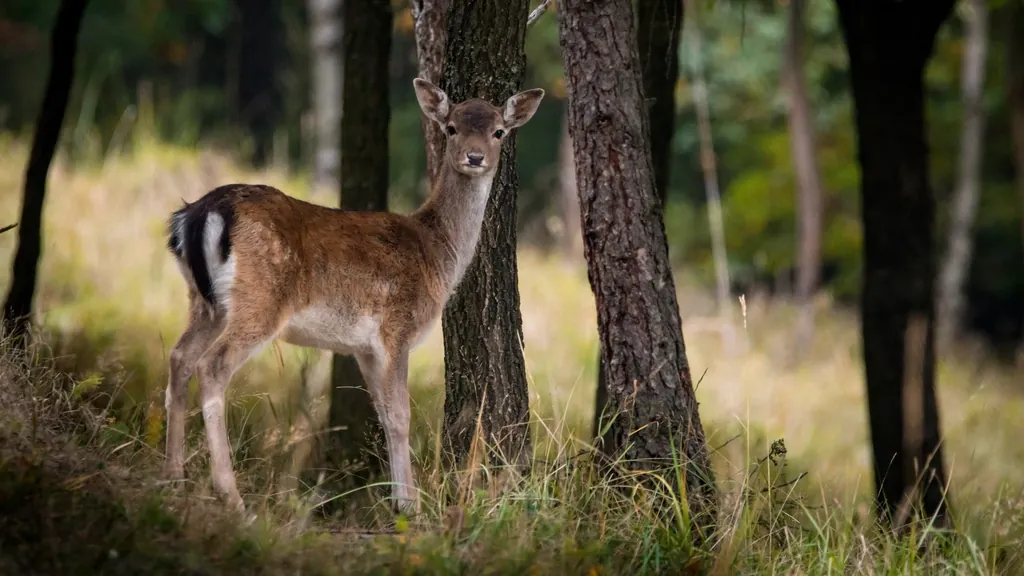
In many states, January brings late archery, muzzleloader or small-game seasons. Dates and rules vary widely, so check your state wildlife agency's current regulations before planning a trip.
Winter is a demanding time for wildlife. Deer and other animals often concentrate near food and shelter and conserve energy. Ethical hunters avoid unnecessary disturbance and respect closed areas set aside for wintering animals.
Cold weather raises the stakes for hunters, too. Dress in layers, keep extra dry clothing, carry a fire starter, and let someone know your plan. Frostbite and hypothermia can set in quickly when you are wet or sitting still.
Ice is especially dangerous. Never assume ice is safe to cross; conditions change with currents, snow cover and temperature swings.
Late season is also a good time to scout for next year, shed-hunt where it is permitted, and give back to the places you hunt through habitat projects with local conservation groups.
Never assume ice is safe to cross.
Educational content only — not legal advice. Laws on firearms, carry, transport and self-defense vary by state and change; confirm current rules with a licensed attorney or official state resources. Always follow the universal firearm safety rules and train with a qualified instructor.