2A law & court cases
What "Incorporation" Really Means
A plain-English guide to how the Bill of Rights came to apply to state and local governments — and where the Second Amendment fits.
2A Digital · January 2026 issue ·
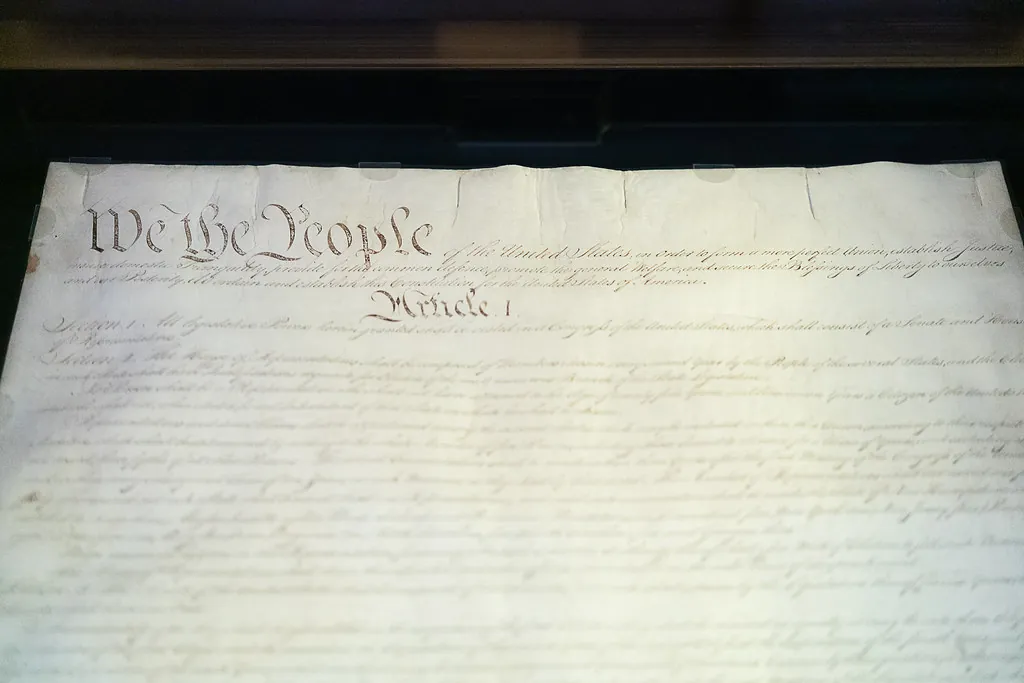
The Bill of Rights was written to restrain the new federal government. Barron v. Baltimore (1833) confirmed that its guarantees did not, on their own, apply to the states.
The Fourteenth Amendment changed the legal landscape. Beginning in the early twentieth century, the Supreme Court held, one right at a time, that particular Bill of Rights protections are part of the "liberty" that states may not take away without due process. That case-by-case approach is known as selective incorporation.
McDonald v. City of Chicago (2010) applied this doctrine to the Second Amendment, holding that the right to keep and bear arms for self-defense is fundamental and deeply rooted in the nation's history, and therefore applies to states and cities.
In practice, that means state and local firearm laws are now measured against the Second Amendment, too. After New York State Rifle & Pistol Association v. Bruen (2022), courts evaluate those laws using the amendment's text and the nation's historical tradition of firearm regulation.
None of this tells you what your own state allows. Laws vary widely and change often. For any question about your situation, talk to a licensed attorney or consult your state's official resources.
Selective incorporation applied the Bill of Rights to the states one right at a time.
Educational content only — not legal advice. Laws on firearms, carry, transport and self-defense vary by state and change; confirm current rules with a licensed attorney or official state resources. Always follow the universal firearm safety rules and train with a qualified instructor.