Firearm safety & training
Opening Day, Done Safely
The best opening morning is the one where everyone comes home. A safety checklist for the first week of deer season.
2A Digital · November 2025 issue ·
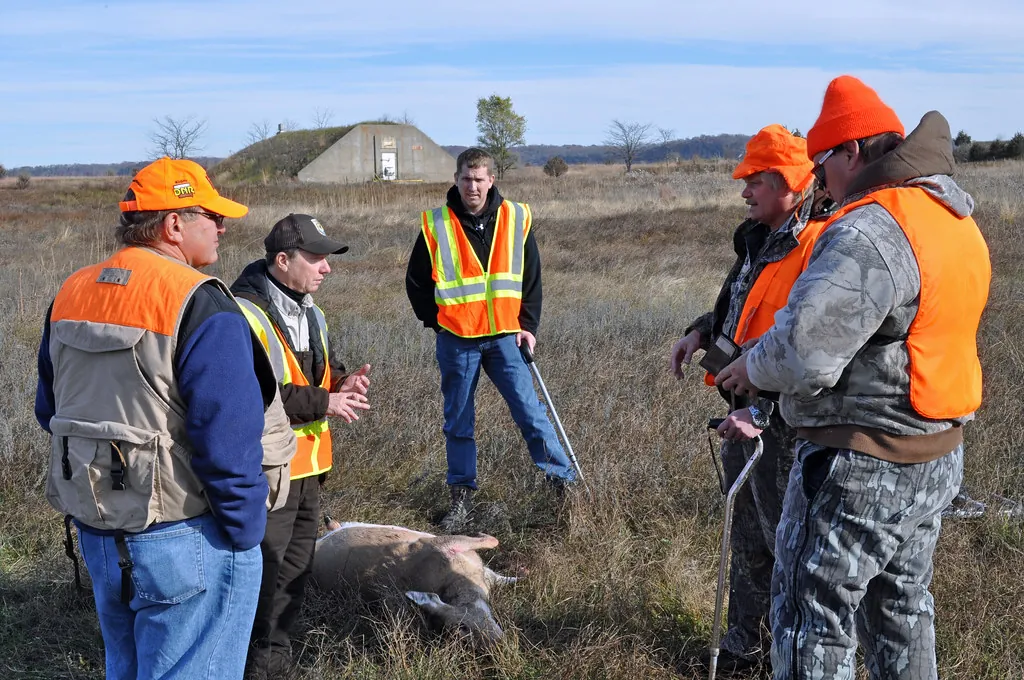
Before the season, revisit the fundamentals: treat every firearm as if it is loaded, keep the muzzle pointed in a safe direction, keep your finger off the trigger until you are ready to shoot, and be sure of your target and what is beyond it. Those rules apply in the woods exactly as they do at the range.
Check your hunting license, tags and any required hunter education certificate before you leave home. Season dates, legal hours, tagging rules and firearm requirements vary by state and sometimes by county or zone, so read the current regulations from your state wildlife agency.
Tell someone where you will be and when you expect to return. Carry a charged phone, a map of the area, a small first-aid kit, and a headlamp. Cell service can be unreliable in the backcountry, so a written plan left with family is still the best insurance.
If you hunt from a tree stand, use a full-body safety harness and a lifeline from the moment you leave the ground until you are back down. Raise and lower an unloaded firearm with a haul line rather than carrying it as you climb.
Identify your target completely before you raise your firearm. Movement, sound or color alone is never enough. Know where other hunters are likely to be, and never shoot at a sound or a shape on a ridgeline with nothing behind it.
Finally, unload before you cross fences, ditches or difficult terrain, and before you enter a vehicle or a camp. A safe hunt is a habit built one decision at a time.
Movement, sound or color alone is never enough — identify your target completely.
Educational content only — not legal advice. Laws on firearms, carry, transport and self-defense vary by state and change; confirm current rules with a licensed attorney or official state resources. Always follow the universal firearm safety rules and train with a qualified instructor.