2A law & court cases
Twenty-Seven Words, Read Closely
The Second Amendment is one sentence long. Here is how the courts have read its two clauses — explained in plain English, not as legal advice.
2A Digital · November 2025 issue ·
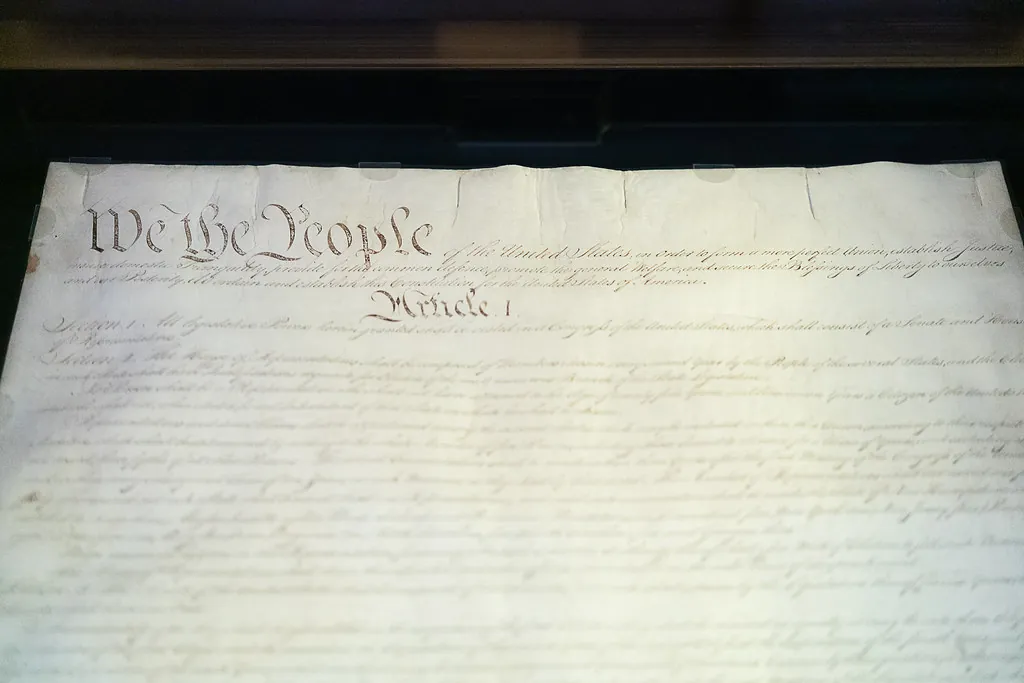
The full text reads: "A well regulated Militia, being necessary to the security of a free State, the right of the people to keep and bear Arms, shall not be infringed." For much of American history, scholars debated how the first clause related to the second.
In District of Columbia v. Heller (2008), the Supreme Court held that the amendment protects an individual right to keep and bear arms, unconnected to service in a militia, and that a ban on handguns in the home for self-defense was unconstitutional. The Court described the prefatory clause as announcing a purpose rather than restricting the right.
Heller also said the right is not unlimited and noted that its decision should not be read to cast doubt on certain longstanding regulations. That language has been central to many later cases in the lower courts.
Two years later, McDonald v. City of Chicago (2010) held that the Second Amendment applies to state and local governments, not only the federal government. And in New York State Rifle & Pistol Association v. Bruen (2022), the Court held that the right extends to carrying a handgun in public for self-defense and set out a test based on the amendment's text and the nation's historical tradition of firearm regulation.
What does all this mean for you? It depends on where you live. Firearm laws differ from state to state and change often. These cases describe constitutional principles; they are not a guide to what is legal in your town. Always confirm current law with a licensed attorney or your state's official resources.
Heller described the opening clause as announcing a purpose rather than restricting the right.
Educational content only — not legal advice. Laws on firearms, carry, transport and self-defense vary by state and change; confirm current rules with a licensed attorney or official state resources. Always follow the universal firearm safety rules and train with a qualified instructor.