2A law & court cases
Twenty-Seven Words
“A well regulated Militia, being necessary to the security of a free State, the right of the people to keep and bear Arms, shall not be infringed.” Here is how the courts have read it, phrase by phrase.
2A Digital · September 2026 issue ·
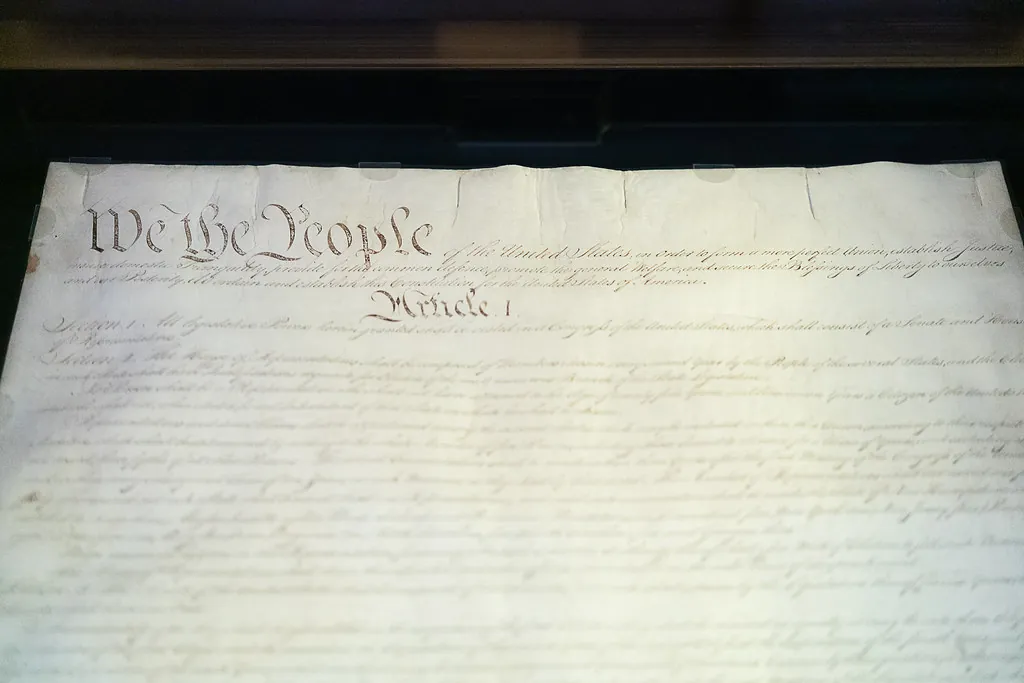
The Second Amendment is a single sentence of twenty-seven words, and much of the debate about it turns on grammar. It opens with a phrase about the militia and closes with a command about the right of the people. The question is how the two parts relate.
In District of Columbia v. Heller (2008), the Supreme Court described the opening words as a prefatory clause that announces a purpose and the closing words as the operative clause that secures the right. The Court held that the prefatory clause does not limit the operative one, and that the Amendment protects an individual right to keep and bear arms unconnected with service in a militia.
“A well regulated Militia.” In the usage of the founding era, the Court explained, the militia referred broadly to the body of able-bodied citizens capable of being called to service, and “well regulated” meant properly disciplined and trained rather than heavily controlled.
“The right of the people.” The same phrase appears in the First and Fourth Amendments, where it plainly describes rights belonging to individuals. Heller read the Second Amendment the same way.
“To keep and bear Arms.” The Court read “keep” as having arms and “bear” as carrying them, and “Arms” as covering weapons in common use for lawful purposes — not only those that existed in 1791.
“Shall not be infringed.” Heller described the Amendment as codifying a pre-existing right. It also stated that, like other rights, it is not unlimited, and it identified certain longstanding regulations that the opinion did not call into question.
Later cases — McDonald v. City of Chicago (2010), NYSRPA v. Bruen (2022) and United States v. Rahimi (2024) — built on that reading. None of this is legal advice; how the right applies to your situation depends on your state’s laws, which a licensed attorney can explain.
The same phrase — “the right of the people” — appears in the First and Fourth Amendments.
Educational content only — not legal advice. Laws on firearms, carry, transport and self-defense vary by state and change; confirm current rules with a licensed attorney or official state resources. Always follow the universal firearm safety rules and train with a qualified instructor.