Gear guides
From the Ground Up
Boots and clothing make or break a day afield. A category-by-category guide to what to look for — features, not brands.
2A Digital · September 2026 issue ·
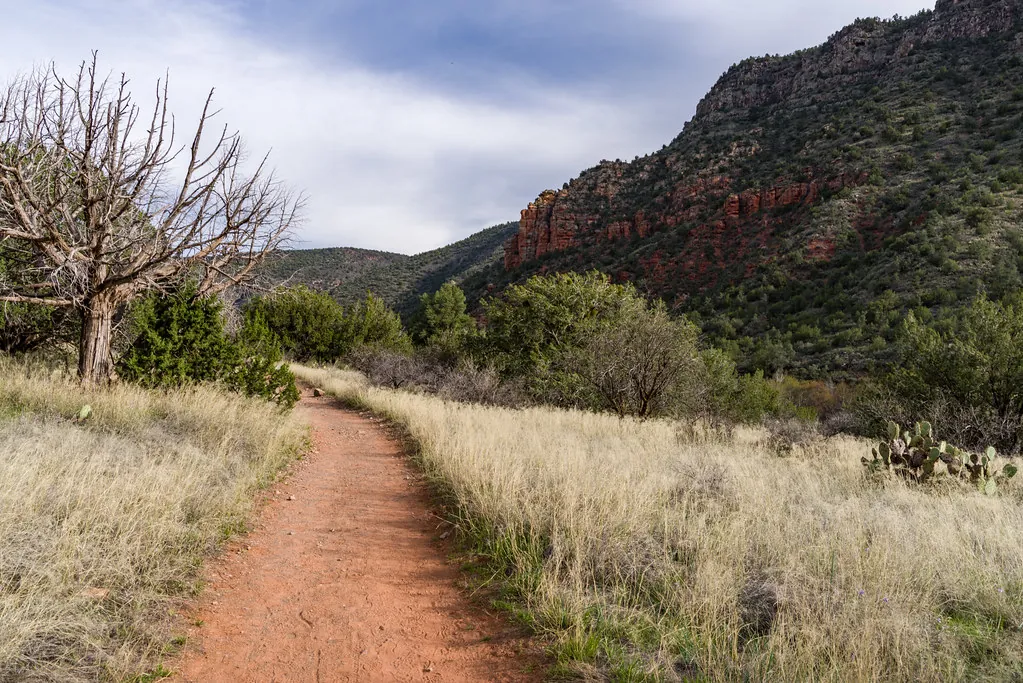
Start with boots, because cold, wet or blistered feet end hunts early. Uninsulated or lightly insulated boots suit early-season and warm-weather hunts, while heavier insulation is for long sits in the cold. Waterproof membranes help in wet country but can run warm.
Fit matters more than any feature. Try boots on late in the day with the socks you will actually hunt in, and break them in well before the season. Look for good ankle support for rough terrain and an outsole with traction suited to mud, rock or snow.
For clothing, think in layers: a moisture-wicking base layer, an insulating middle layer and a weather-resistant outer shell. Quiet fabrics matter for bowhunting and close encounters with game.
Visibility is a safety feature, not a fashion choice. Many states require a minimum amount of blaze orange for certain seasons, and even where it is not required it helps other hunters see you. Check the rules for each season you hunt.
Do not forget the small things: wool or synthetic socks, gloves with enough dexterity to handle your firearm safely, a warm hat and gaiters for wet brush. They weigh little and save a lot of misery.
Visibility is a safety feature, not a fashion choice.
Educational content only — not legal advice. Laws on firearms, carry, transport and self-defense vary by state and change; confirm current rules with a licensed attorney or official state resources. Always follow the universal firearm safety rules and train with a qualified instructor.