2A law & court cases
Roots in 1689
The American right to keep and bear arms has an English ancestor. Courts still look to it when they read the Second Amendment.
2A Digital · December 2025 issue ·
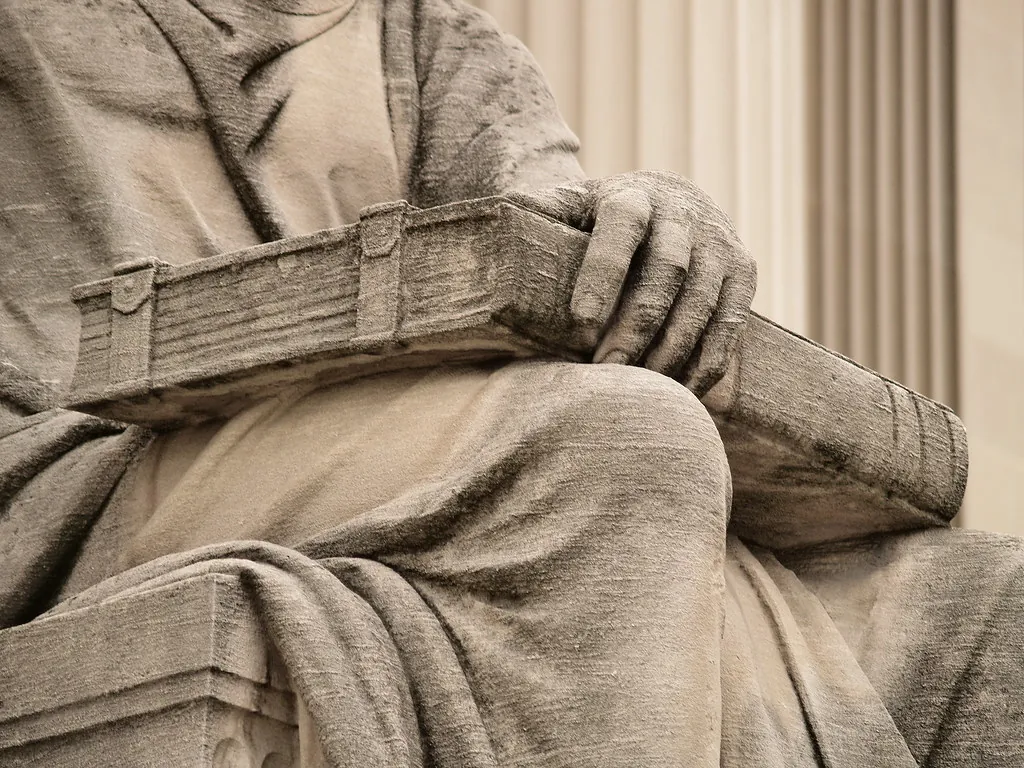
In 1689, after the Glorious Revolution, Parliament adopted the English Bill of Rights. Among its provisions was a declaration that Protestant subjects "may have Arms for their Defence suitable to their Conditions and as allowed by Law."
That clause responded to efforts under the previous king to disarm political and religious opponents. Its wording was limited — it applied to Protestants and was subject to Parliament's laws — but it established the idea of having arms for defense as a right of subjects.
English legal writers in the eighteenth century, widely read in the colonies, described this as an auxiliary right supporting the natural right of self-preservation. American colonists considered themselves heirs to those rights of Englishmen.
The Supreme Court discussed this history in District of Columbia v. Heller (2008), treating the English right as a predecessor of the Second Amendment and as evidence that the amendment codified a pre-existing individual right.
The historical approach became even more central after New York State Rifle & Pistol Association v. Bruen (2022), which directs courts to consider the nation's historical tradition of firearm regulation. As always, these are descriptions of constitutional principles, not legal advice — laws vary by state, so consult a licensed attorney about your situation.
American colonists considered themselves heirs to the rights of Englishmen.
Educational content only — not legal advice. Laws on firearms, carry, transport and self-defense vary by state and change; confirm current rules with a licensed attorney or official state resources. Always follow the universal firearm safety rules and train with a qualified instructor.